Physical Address
304 North Cardinal St.
Dorchester Center, MA 02124
Physical Address
304 North Cardinal St.
Dorchester Center, MA 02124
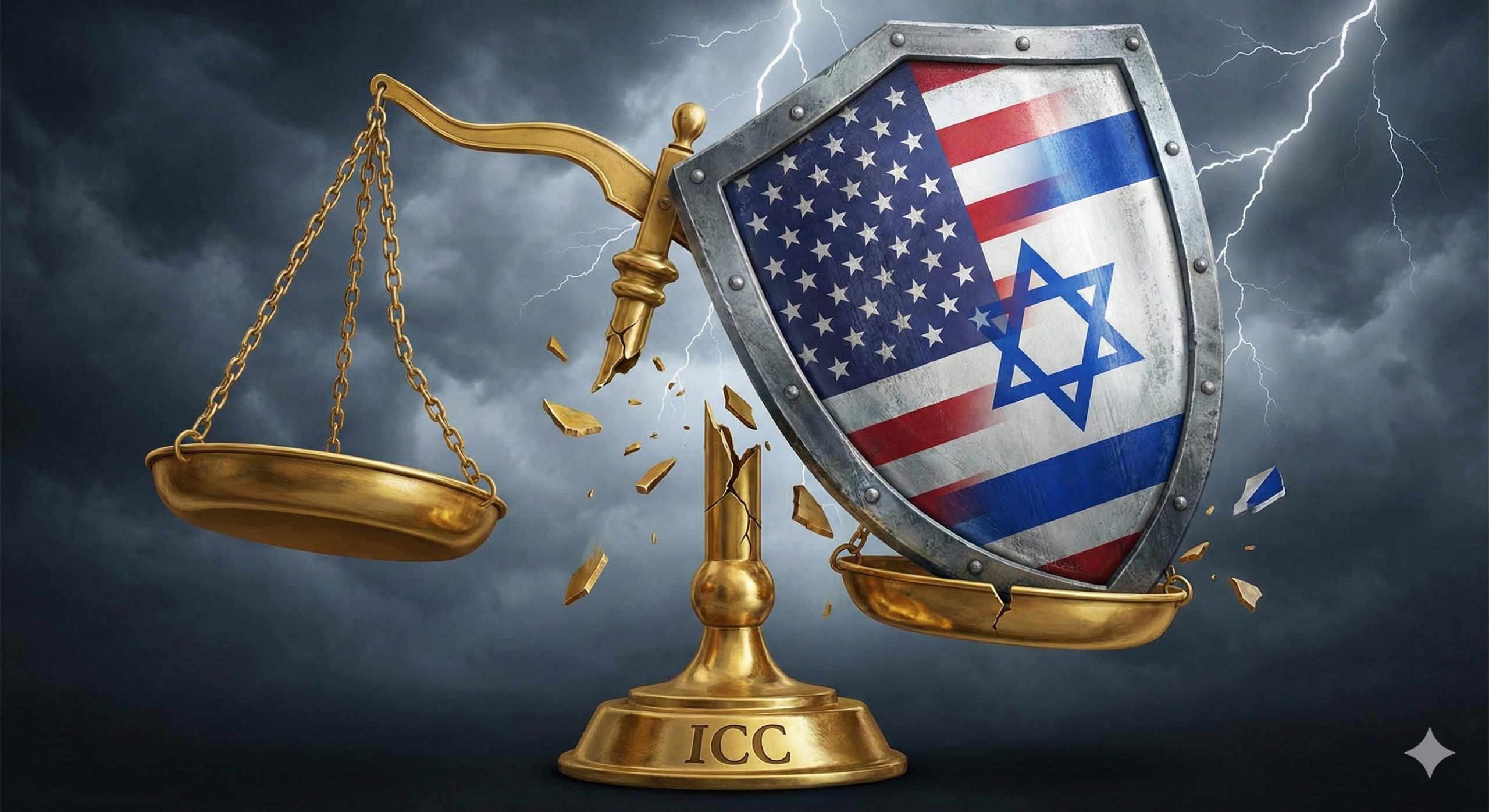
A leader facing allegations of war crimes has publicly announced plans to visit New York, despite ongoing debates over potential arrest. This was not a routine diplomatic update. It was a political signal—one that exposed how far international law can bend when confronted with real power.
Israeli Prime Minister Benjamin Netanyahu said he would proceed with a New York visit even as the International Criminal Court (ICC) concluded there were “reasonable grounds” to believe war crimes and crimes against humanity were committed during Israel’s military operations in Gaza. The statement instantly became global news, not because of legal procedure, but because it revealed how the system actually works when law collides with power.
The controversy surrounding Netanyahu’s New York visit is less about the visit itself than about the conditions that make such a visit possible. New York mayor-elect Zohran Mamdani suggested that ICC arrest warrants should be enforced, hinting at the possibility of detention. In reality, however, legal authority and enforcement mechanisms remain extremely limited.
That gap—between legal rhetoric and practical enforcement—is precisely why the story resonated worldwide. The episode laid bare a structure in which a leader accused of serious international crimes can move freely, largely unconcerned about legal consequences. This was never just a legal story. It was a political story about how the international order functions in practice.
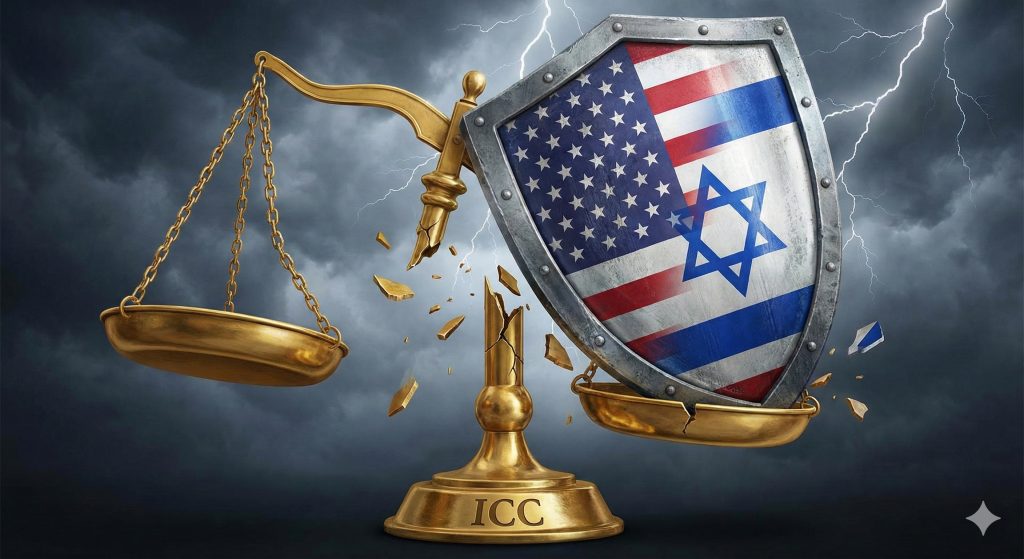
The ICC determined that there are reasonable grounds to believe Netanyahu may bear responsibility for war crimes and crimes against humanity related to the Gaza conflict. This was not a political gesture, but a formal legal assessment issued by the court’s prosecutors.
Yet such determinations do not automatically translate into enforcement. The ICC can only compel action from its member states—and neither Israel nor the United States is an ICC member. This structural limitation once again demonstrates how ICC rulings can carry moral and legal weight internationally while remaining largely symbolic in real-world power politics.
In practical terms, the likelihood of Netanyahu being arrested in the United States is extremely low. The U.S. does not recognize ICC jurisdiction and has never accepted ICC action against its own leaders or those of close allies.
Under the Trump administration, Washington went further—imposing sanctions on ICC officials rather than supporting the court’s authority. Against this backdrop, Netanyahu’s New York announcement was not a risky gamble. It was a calculated message built on the assumption that arrest is not a realistic outcome.
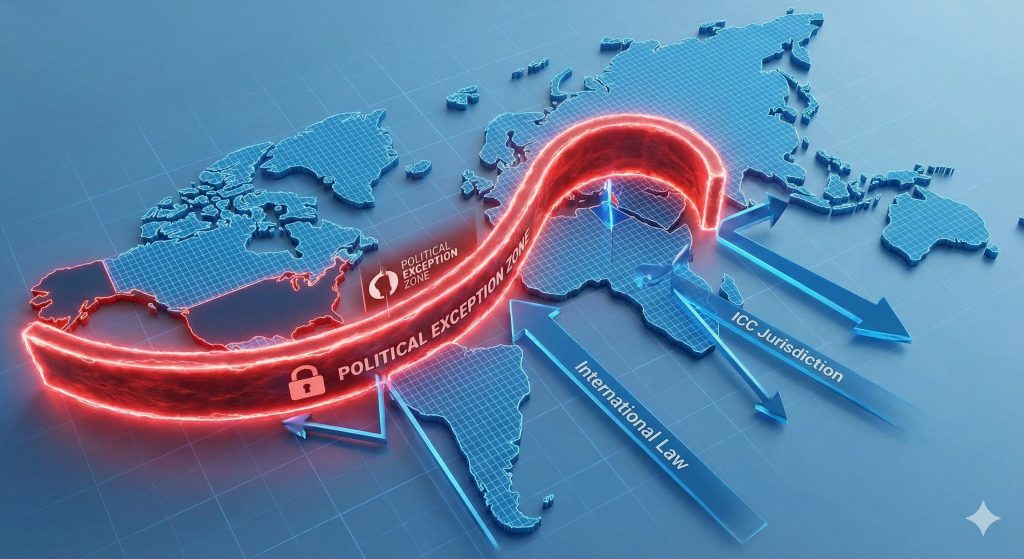
Rather than addressing the legal dimension of the arrest debate, Netanyahu reframed the issue as one of political legitimacy. Responding to Mamdani, he said dialogue would be possible only if Israel’s right to exist was acknowledged.
This rhetorical shift moved the discussion away from law enforcement and toward questions of identity, loyalty, and political alignment. Legal accountability faded into the background, replaced by a debate over who affirms Israel’s legitimacy. It was a familiar maneuver: when law becomes inconvenient, redefine the conflict in political terms.
The international controversy intersects directly with Israel’s domestic political fractures. At a New York event, members of the Zionist Organization of America publicly heckled Israeli President Isaac Herzog, demanding a pardon for Netanyahu.
Supporters frame the pardon as a necessary political step during wartime, recasting Netanyahu’s corruption trial as a national burden rather than an individual legal matter. Opponents—among them 25 Jewish and Israeli civic organizations—issued an open letter urging Herzog to reject any pardon. The conflict has grown into a broader struggle between rule of law and political loyalty, now playing out on the international stage.
Netanyahu himself has mocked his corruption trial, dismissing it as a “Bugs Bunny trial” and portraying the proceedings as a political fabrication. He argues that years of legal scrutiny divert national resources away from diplomacy, technology, and security—casting judicial accountability as an obstacle to state progress.
At the heart of this case lies a simple question: when did war become a shield that places leaders above the law? Netanyahu’s New York declaration is not about whether an arrest will occur. It is about how international law functions when confronted by powerful alliances. The episode reinforces an uncomfortable truth: the global order is less a system of rules than a system for managing exceptions.
Data Source Notice
This article is based on openly available news content collected through the GDELT Global Knowledge Graph (GKG). Tone metrics, metadata, and semantic clusters were processed using Infowider’s proprietary analysis pipeline. No information beyond what is contained in the original articles and GDELT data has been added.


