Physical Address
304 North Cardinal St.
Dorchester Center, MA 02124
Physical Address
304 North Cardinal St.
Dorchester Center, MA 02124
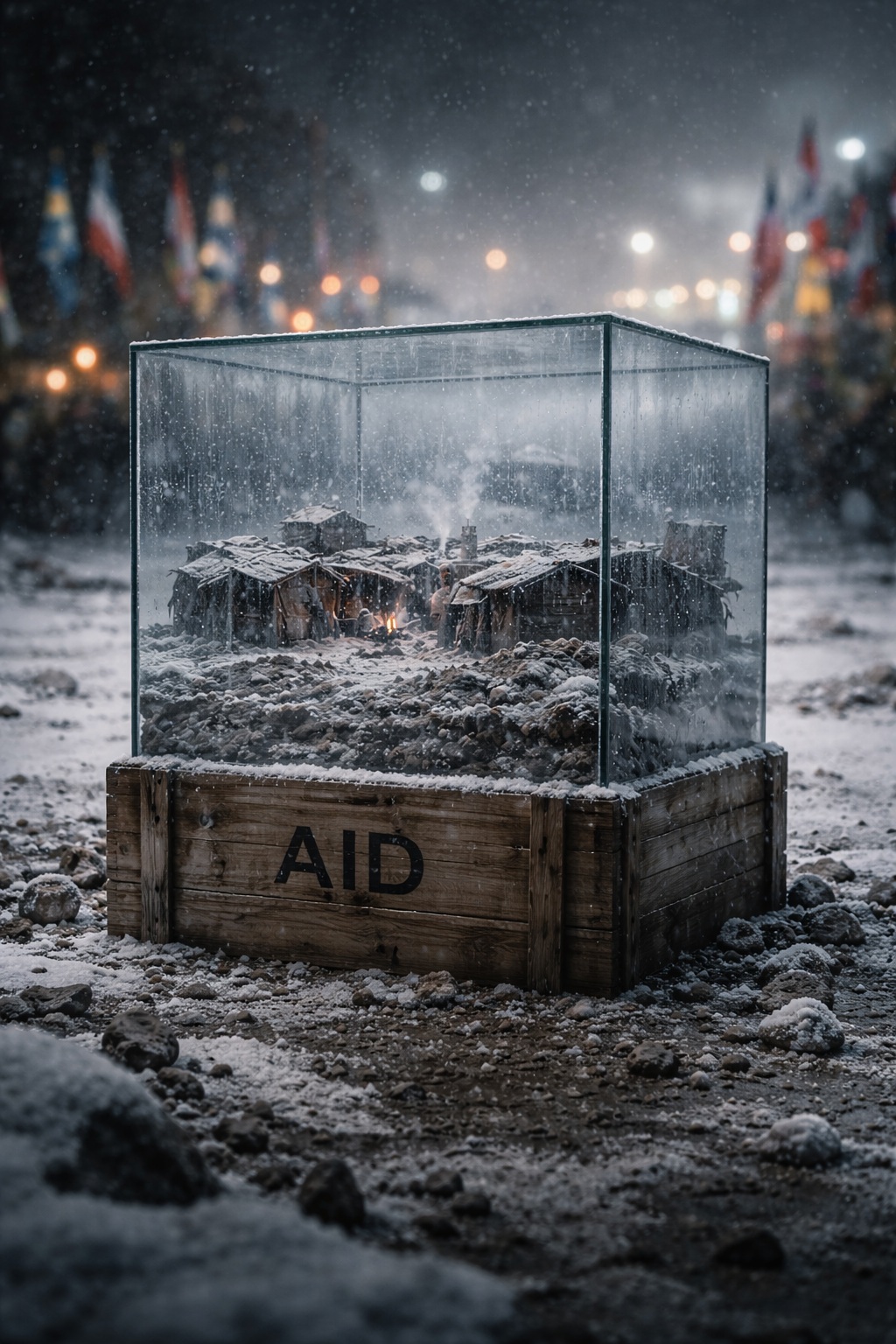
Afghanistan’s winter hunger is not a humanitarian shock.
It is the outcome of a management system chosen by the international order.
Ahead of the winter of 2025, the World Food Programme (WFP) warned that more than 17 million people in Afghanistan face severe food insecurity. The figure is alarming, but it is not new. Similar language, comparable numbers, and the same seasonal framing appear year after year. What changes is not the situation, but the calendar year attached to the warning.
This repetition is not accidental. Hunger in Afghanistan is no longer treated as an “event.” It has solidified into a managed state.
WFP urges the international community not to “abandon” Afghanistan. This phrase is not rhetorical excess. It presupposes that abandonment has already occurred. The appeal does not demand reconstruction. It does not call for political normalization, financial recovery, or the restoration of sovereignty. It asks for only one thing: that total disengagement be avoided.
This language accurately reflects the prevailing international stance.
Afghanistan is no longer approached as a country to be repaired, but as an entity that must be kept from collapsing entirely.
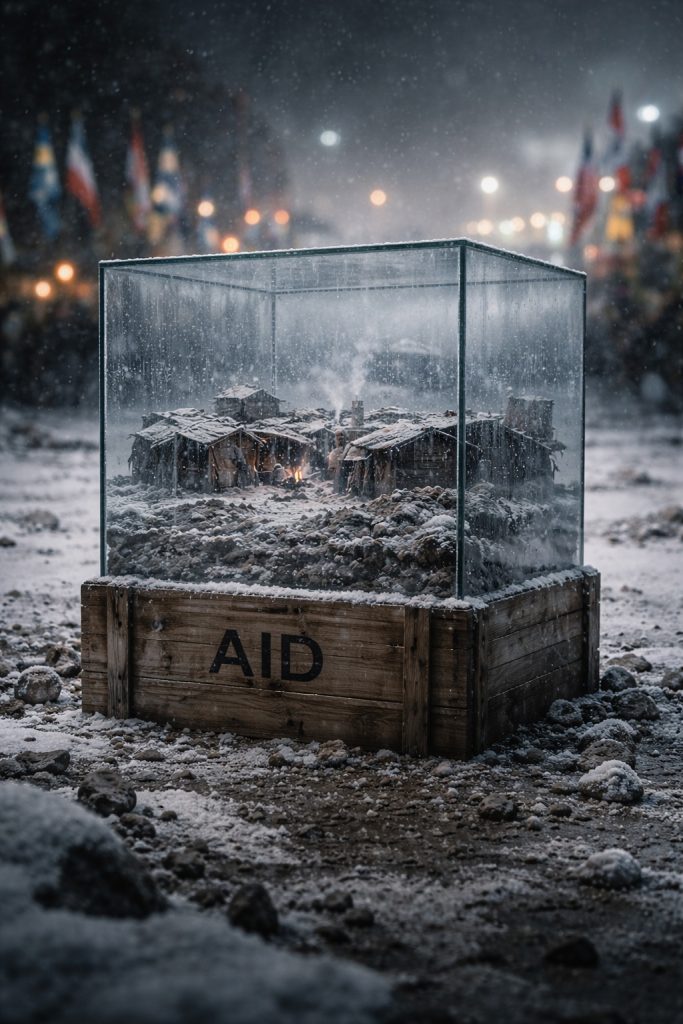
The European Union allocated €25 million to WFP. On the surface, this appears to be a meaningful humanitarian gesture. Yet this funding is not designed to restore state capacity. There is no recognition of the Taliban government, no movement on unfreezing central bank assets, and no discussion of financial system normalization.
This absence is neither oversight nor indifference.
Normalization is intentionally blocked, while only manageable humanitarian support is permitted. The moment Afghanistan is restored as a functioning state, responsibility shifts to the international community. The current structure is optimized to contain the crisis while avoiding that responsibility.
The United Nations issues formal warnings. Roughly 17 million people are at risk of food insecurity, an increase of several million from the previous year. These figures are not merely humanitarian statistics. They document a deeper reality: warnings were issued, but the structure did not change.
As the numbers grow, the crisis transforms from lived suffering into statistical abstraction. Accountability disperses, and political action is deferred. Afghanistan’s emergency thus becomes a condition recorded in data, not a problem requiring resolution.
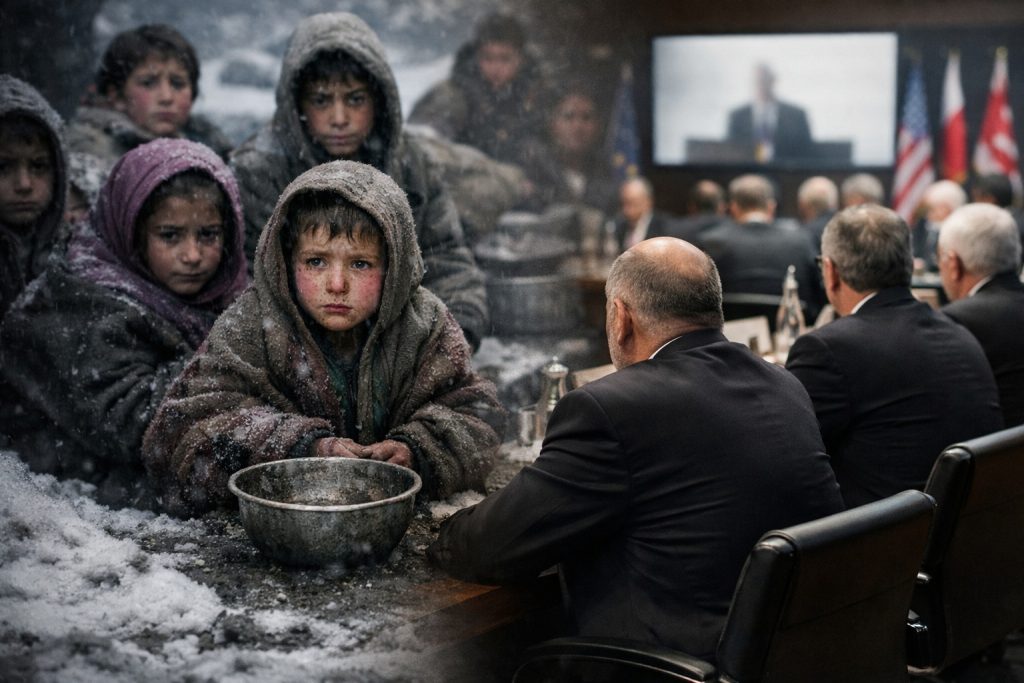
Pakistan has called on the international community to pressure the Taliban authorities to curb terrorism. This demand is not linked to food security or human rights concerns. Humanitarian issues remain in the realm of “aid,” while security is handled through “pressure.”
This separation is deliberate.
It forms a dual management structure that keeps Afghanistan alive without allowing it to regain autonomy or resilience. Assistance continues, but sovereign reconstruction is excluded. This is not policy failure. It is design.
Afghanistan is not a failed state.
It is a problem the international system has decided not to resolve.
The annual winter hunger warnings, the language of “do not abandon,” limited financial assistance, expanding numbers, and the separation of aid from security pressure all converge on a single conclusion.
Afghanistan’s crisis is being controlled.
It is not being solved.
As long as this structure remains intact, the headline for the next winter is already written. The crisis will not be new, and neither will the response.
Afghanistan’s winter hunger is not a recurring humanitarian emergency but the product of a management system chosen by the international community.
Aid continues while state normalization is blocked, locking the crisis into a permanent condition rather than resolving it.
In this structure, stability signals successful containment, not recovery.
This article is based on publicly available news content collected through the GDELT Global Knowledge Graph (GKG).
Tone metrics, metadata, and semantic clusters were processed using Infowider’s internal analysis pipeline.
No information beyond what is contained in the original articles has been added.


