Physical Address
304 North Cardinal St.
Dorchester Center, MA 02124
Physical Address
304 North Cardinal St.
Dorchester Center, MA 02124
This story keeps repeating.
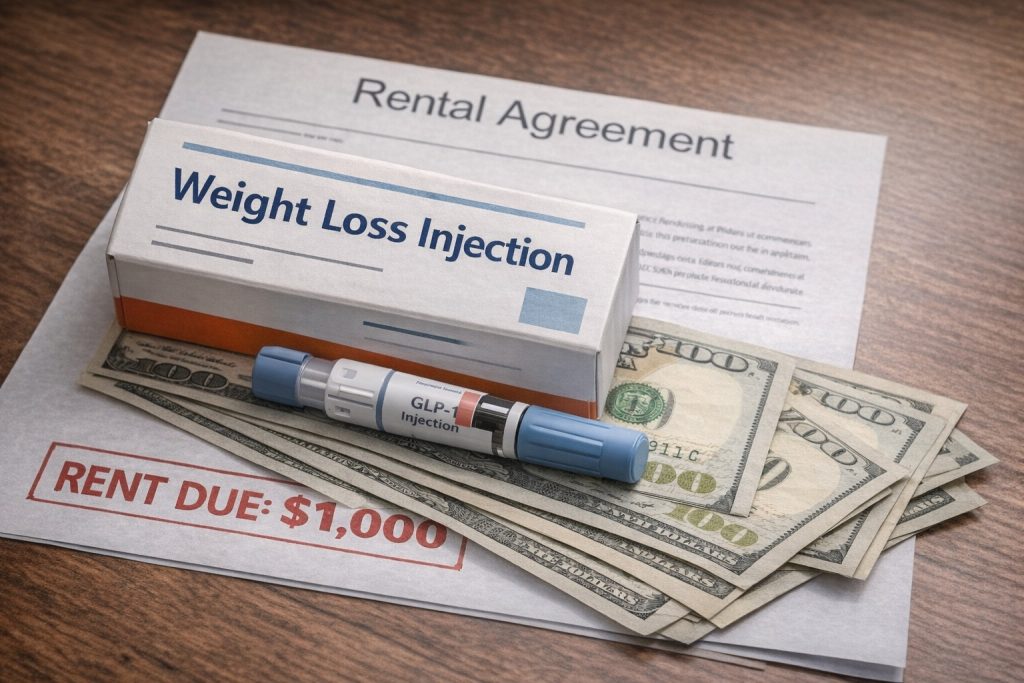
A weight-loss drug costs over $1,000 a month.
Stop taking it, and the weight comes back.
Without insurance, you can’t even start.
People still say the same thing.
“At least it works.”
But the question needs to change.
Why are the most effective drugs designed to be the hardest to stop?
Old medicines were simple.
You took them when you were sick.
You stopped when you got better.
These drugs work differently.
You take them to maintain.
You stop, and you revert.
This isn’t treatment.
It’s a condition.
And the landlord behind that condition is Eli Lilly.
People ask a reasonable question.
“Isn’t there a cheaper alternative?”
That alternative is disappearing.
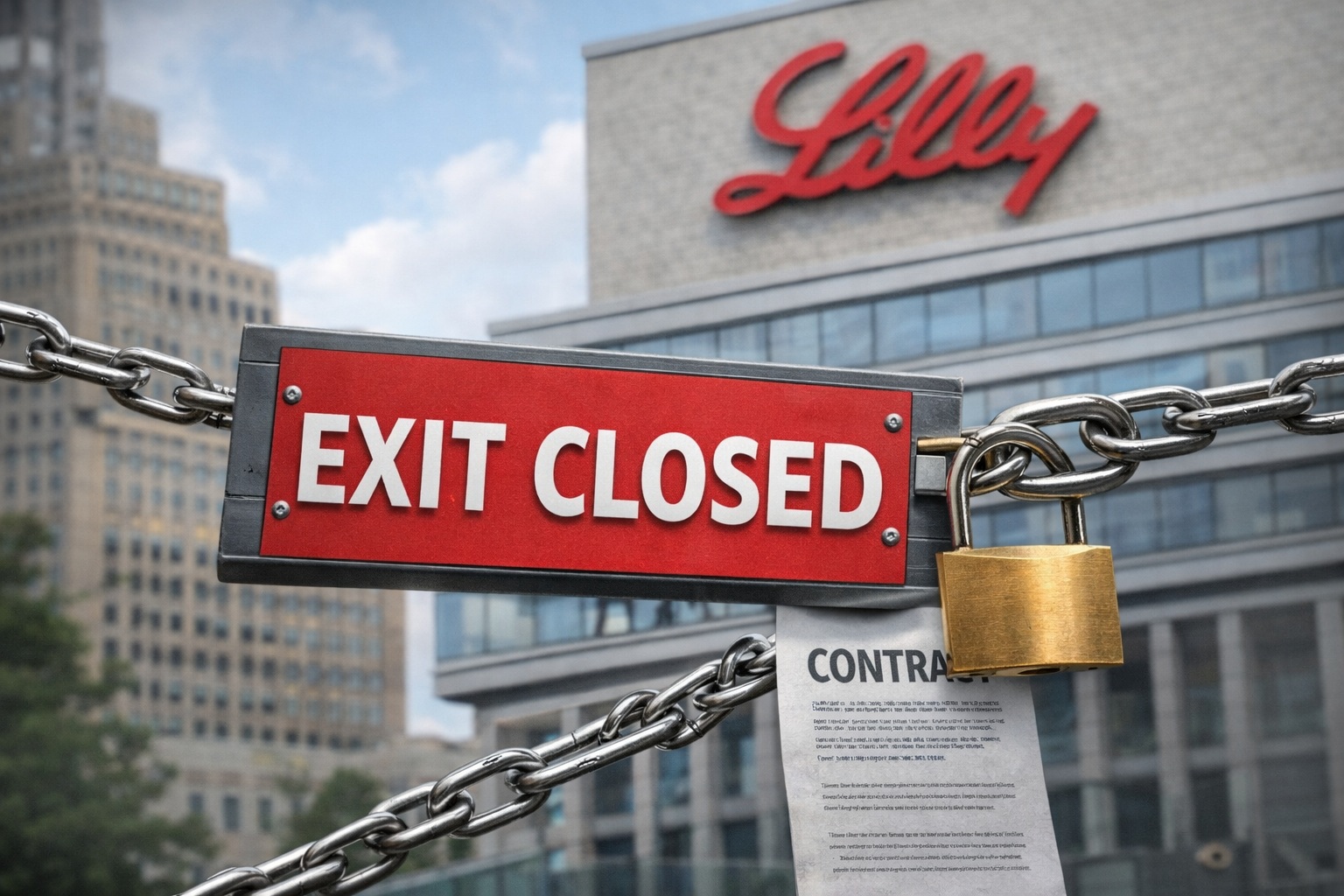
Low-cost compounded and generic GLP-1 prescriptions are being cut off—
not by doctors,
but by legal pressure and platform contracts.
There’s no need to raise prices.
You just block the cheap exits.
From that moment on, the drug price stops being a market price.
It becomes a toll.
Obesity and diabetes drugs generate money
every month,
for years,
with no real substitute.
That’s why markets no longer treat this company like a pharmaceutical firm.
They treat it like a cash-producing asset.
This isn’t sales.
It’s rent.
The money doesn’t disappear.
It’s poured into AI drug labs,
data pipelines,
and algorithmic systems that new competitors can’t catch up to.
This isn’t research competition.
It’s structural lock-in.
Once you’re inside,
you can’t negotiate price,
you can’t find alternatives,
and leaving the system becomes nearly impossible.
From obesity to diabetes.
From diabetes to inflammation.
From inflammation to joints and aging.
Only the disease changes.
The structure is copied as-is.
Monthly.
Long-term.
No exit.
That’s why you hear the same phrase.
“Plenty of room for growth.”
What it actually means is simple.
There are still many bodies not paying rent yet.
If treatment were the goal,
falling obesity rates would hurt the stock price.
Reality shows the opposite.
Obesity isn’t just a disease.
This drug isn’t just a treatment.
This isn’t medicine. It’s rent.

Eli Lilly didn’t sell a drug.
It turned the human body into a subscription model.
Whether through insurance or out-of-pocket payments,
you are now paying
for residency.
It’s the human body.
Weight-loss drugs didn’t become expensive — they became unavoidable. The real shift is that cheap exits are being closed through contracts and control.
What looks like medicine is turning into monthly rent. A monopoly doesn’t need higher prices if it can block alternatives and lock users in.
That rent funds the next fortress. Cash flow is reinvested into AI, data, and expansion—turning the human body into 21st-century real estate.
This article is based on publicly available reporting from international news outlets. Analysis and interpretation were produced by Infowider’s editorial framework. No claims have been added beyond what is supported by the cited sources.


