Physical Address
304 North Cardinal St.
Dorchester Center, MA 02124
Physical Address
304 North Cardinal St.
Dorchester Center, MA 02124
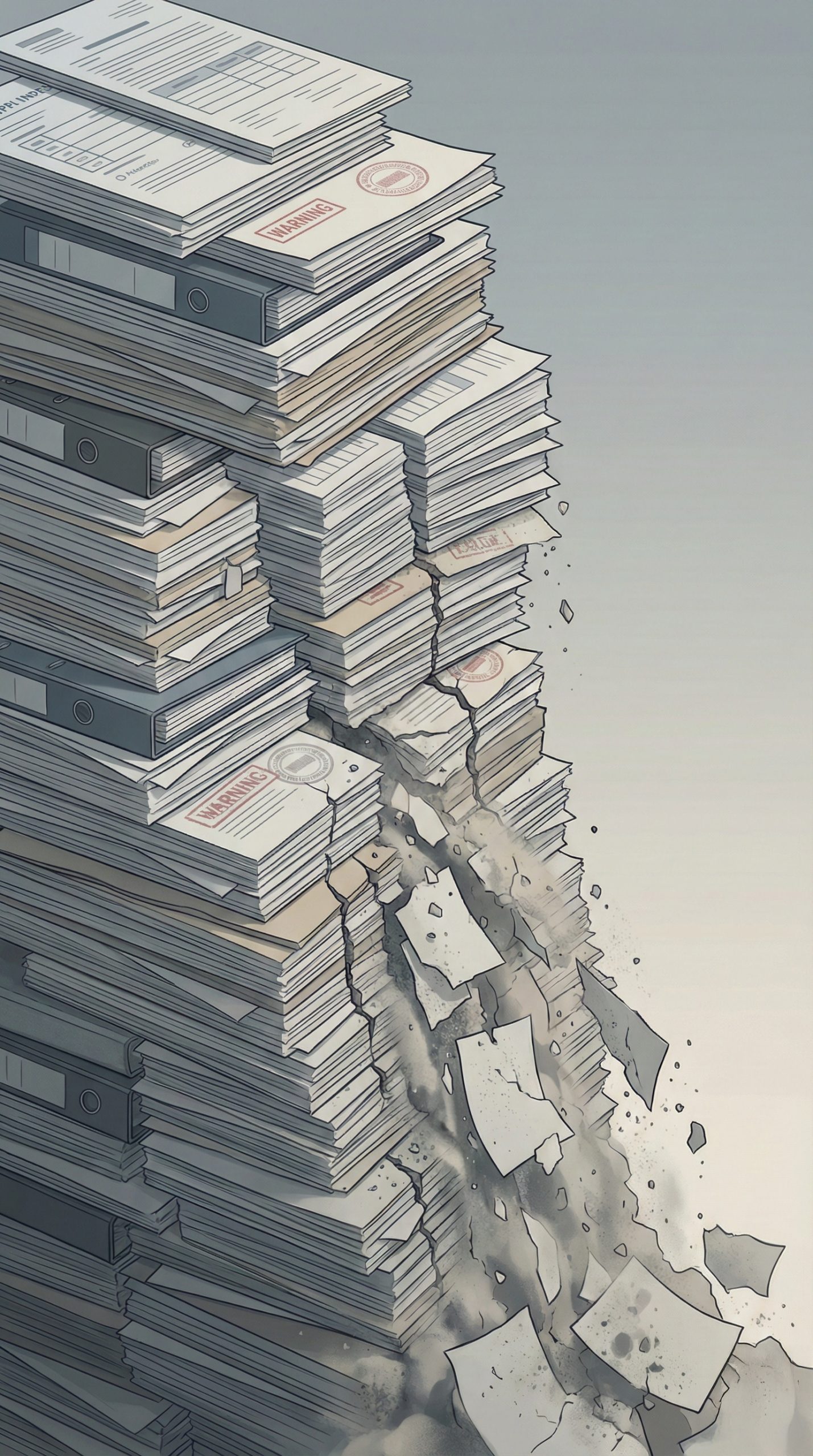
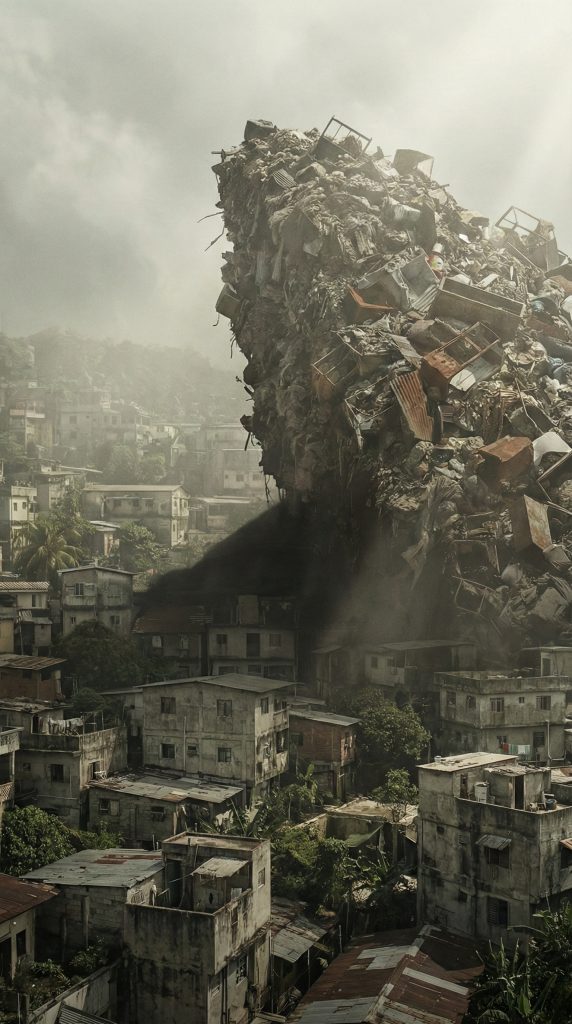
The landfill in Cebu did not collapse overnight.
It had already been declared structurally unsafe multiple times in official documents.
The facility was operated by Prime Integrated Waste Solutions (PIWS), a private waste management company owned by Filipino billionaire Enrique Razon Jr.
Last year, the company reported ₱55 billion in revenue (approximately $926 million) and ₱18.5 billion in net profit (approximately $312 million).
Yet beneath those profits, the landfill:
And still, nothing changed.
The reason is simple.
Safety was classified as a cost, and costs were marked for removal.
Waste management is not a cleaning service.
It is an industry designed to make what cities do not want to see disappear.
After the collapse, authorities did not first express concern for workers’ lives.
The immediate concern was this:
“A garbage crisis is feared.”
To keep the city functioning,
garbage had to continue disappearing somewhere.
In this industry, what matters is not:
There is only one question.
“Was it removed from sight?”
The workers at the landfill were neither skilled specialists nor protected labor.
They were buried under:
They died beneath them.
They all shared one characteristic.
They were replaceable.
Which makes the calculation brutally simple.
Probability of death × compensation cost < cost of safety infrastructure
→ Remove safety infrastructure
At that moment, human LTV (Lifetime Value) is reset to zero.
The post-disaster scene is familiar.
Everyone appears to be in motion.
Yet no one takes responsibility.
The state:
What remains is only this.
A catastrophe without accountability, and a system that keeps its profits.
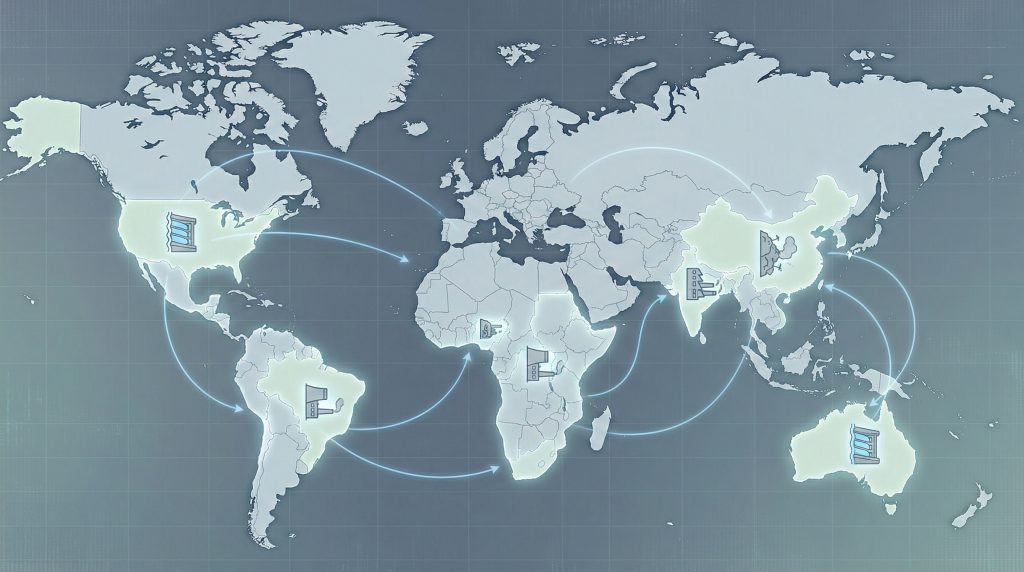
This structure is not a local anomaly.
The formula is always the same.
Only the people change. The system remains.
In Cebu, pressure on waste disposal intensified ahead of the massive Sinulog Festival.
Behind the spectacle of consumption, celebration, and urban vitality,
garbage was stacked higher and faster.
And beneath it, people died.
Low prices mean one thing.
Some cost was removed somewhere.
And the first things to be removed are always:
Safety and human life.
This was not an accident.
When capital classifies human life as a cost item,
this outcome is not a failure—it is normal operation.
The landfill collapsed because safety was documented as a risk—and deleted as a cost.
Waste management is not processing; it is erasure, where human lives are priced at zero.
When capital treats people as cost items, catastrophe is not failure—it is normal operation.
This article is based on publicly available reporting from international news outlets. Analysis and interpretation were produced by Infowider’s editorial framework. No claims have been added beyond what is supported by the cited sources.


