Physical Address
304 North Cardinal St.
Dorchester Center, MA 02124
Physical Address
304 North Cardinal St.
Dorchester Center, MA 02124
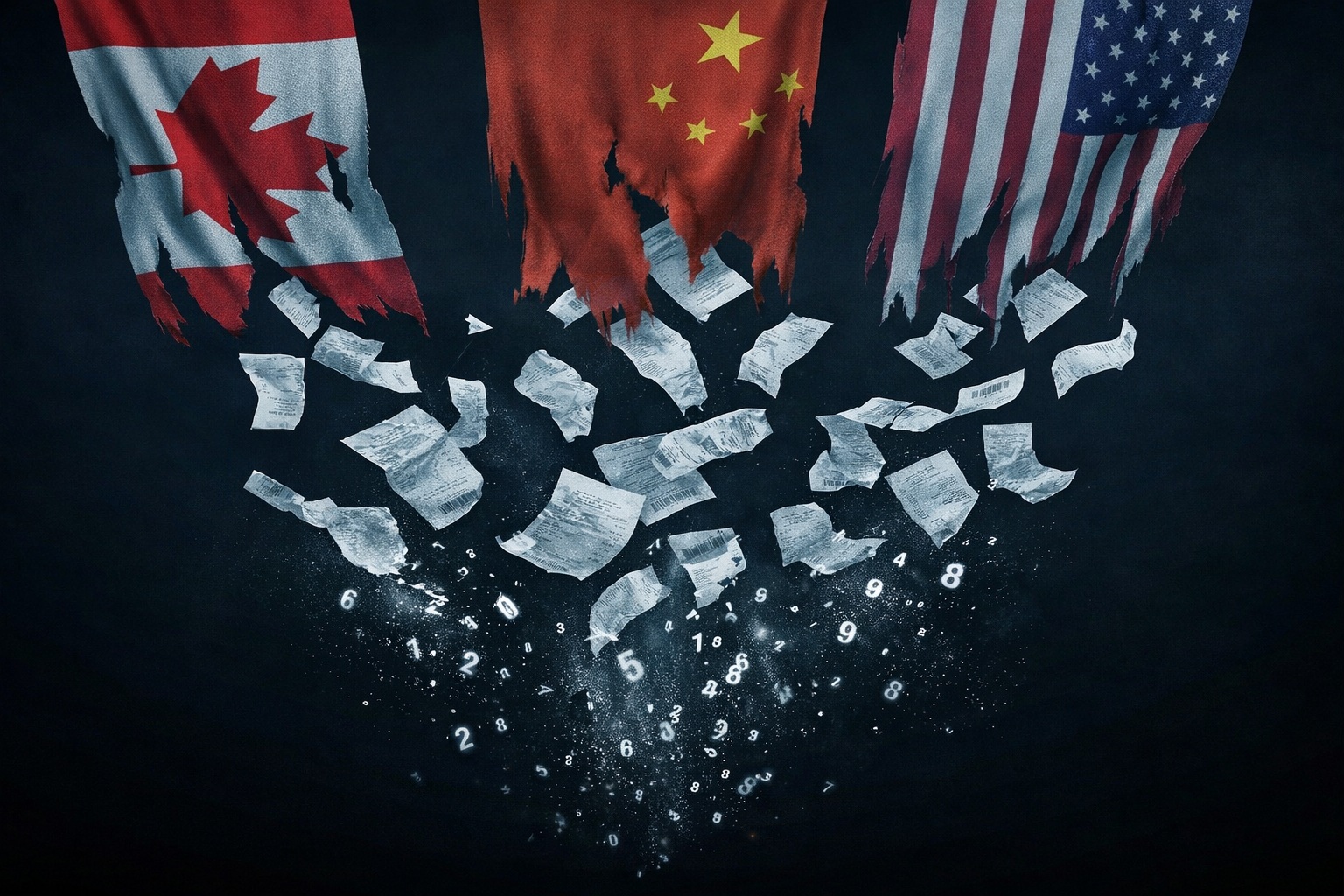
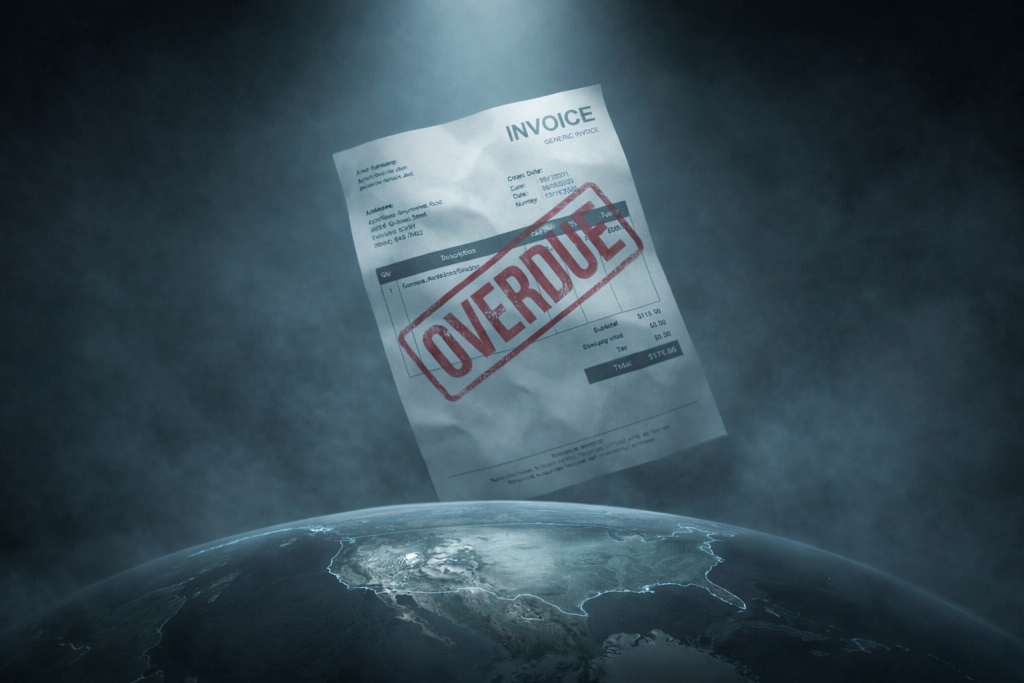
This was not a shift in foreign policy.
It was a record of how much the U.S.-led blockade against China charged its allies, and who ultimately could not afford to pay that bill.
Blockades are designed in the language of security.
But they collapse first through cost of living and income.
The 100% tariff imposed on Chinese electric vehicles was not symbolic.
It was a price tax imposed inside Canada itself.
The tariff failed to isolate China.
It broke Canada’s internal cost structure first.
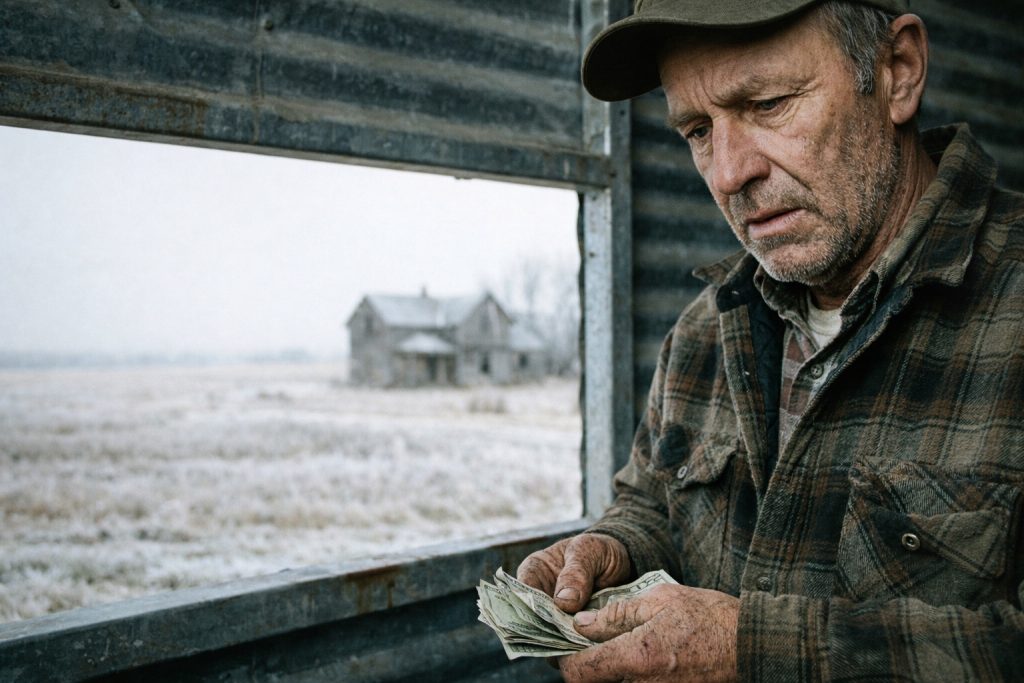
China’s response was neither military nor technological.
It was agricultural.
The invoice of the blockade did not arrive in Washington.
It arrived in rural Canada.
This is where the true face of blockade strategy is revealed.
Wars are designed at the center.
Costs explode at the periphery.
So Canada ran the numbers.
There was no ideology behind Mark Carney’s handshake with Xi Jinping in Beijing.
It was a survival measure.
Prime Minister Carney said it plainly:
“Over the past few months, China has been more predictable than the United States.”
This was not a pro-China declaration.
It was a warning to Washington.
When Donald Trump referred to Canada as “the 51st state,”
the alliance understood the equation.
Better to trade than to starve together.
Chinese EVs priced at 35,000 Canadian dollars (about $25,000 USD)
ended the debate.
The outcome was never in doubt.
In an inflationary environment, states always choose prices over workers.
Labor protection falls to the bottom of the list.
The U.S. called the deal “problematic.”
Canada ignored it.
Five Eyes is an intelligence alliance.
It is not a cost-of-living community.
Allies share strategy.
They pay their own invoices.
The EU made the same turn.
Punitive tariffs replaced by price undertakings.
Blockade replaced by management.
Canada is not a traitor.
It is a preview.
The American blockade did not fail.
It simply became too expensive for allies to sustain.
Blockades begin in the language of war,
but they always end with receipts.
And those receipts are paid
not by the United States — but by its allies.
The blockade was sold as security, but its real cost showed up as an invoice.
Facing collapsing farm exports and voter pressure, Canada chose cheaper Chinese EVs over U.S. loyalty.
This wasn’t defiance — it was the first visible crack in an alliance system that charges its partners to survive.
This article is based on publicly available reporting from international news outlets. Analysis and interpretation were produced by Infowider’s editorial framework. No claims have been added beyond what is supported by the cited sources.


