Physical Address
304 North Cardinal St.
Dorchester Center, MA 02124
Physical Address
304 North Cardinal St.
Dorchester Center, MA 02124
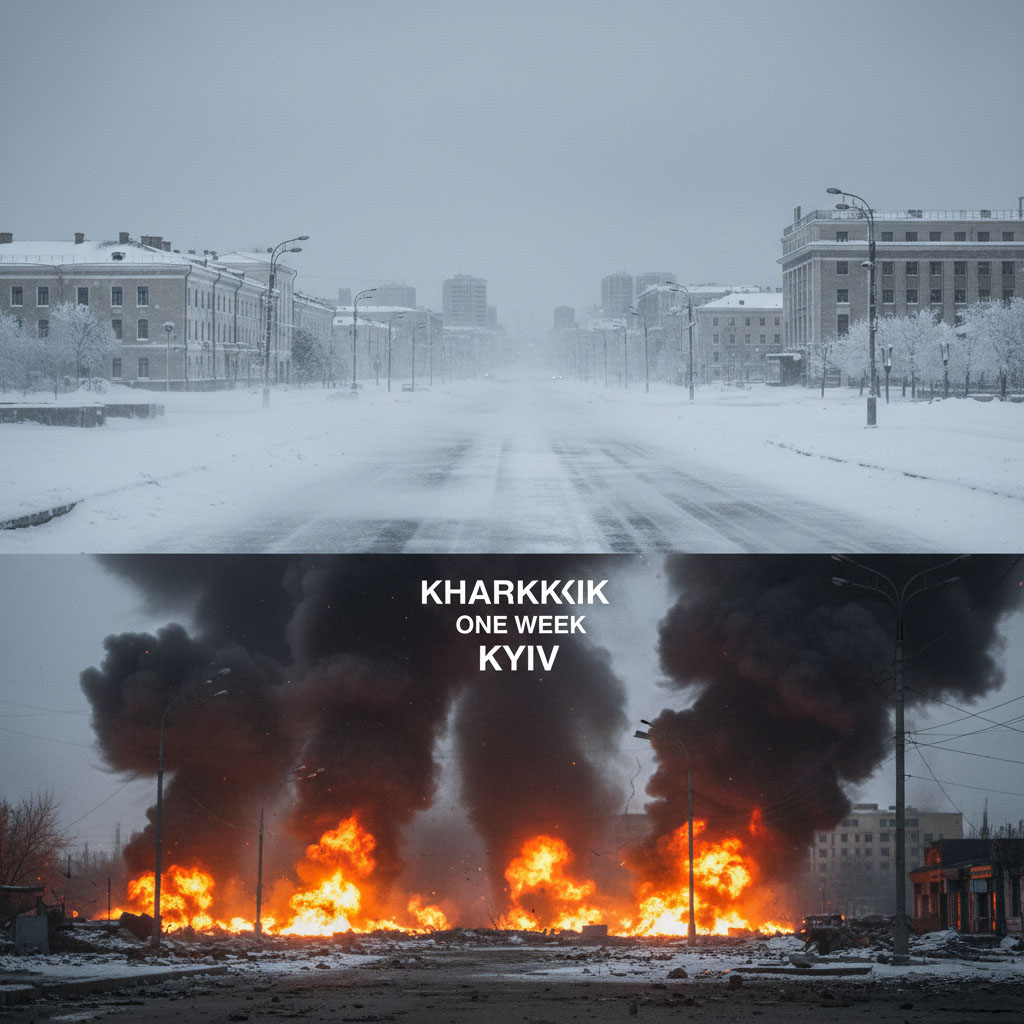
The war did not stop.
It began to be managed conditionally.
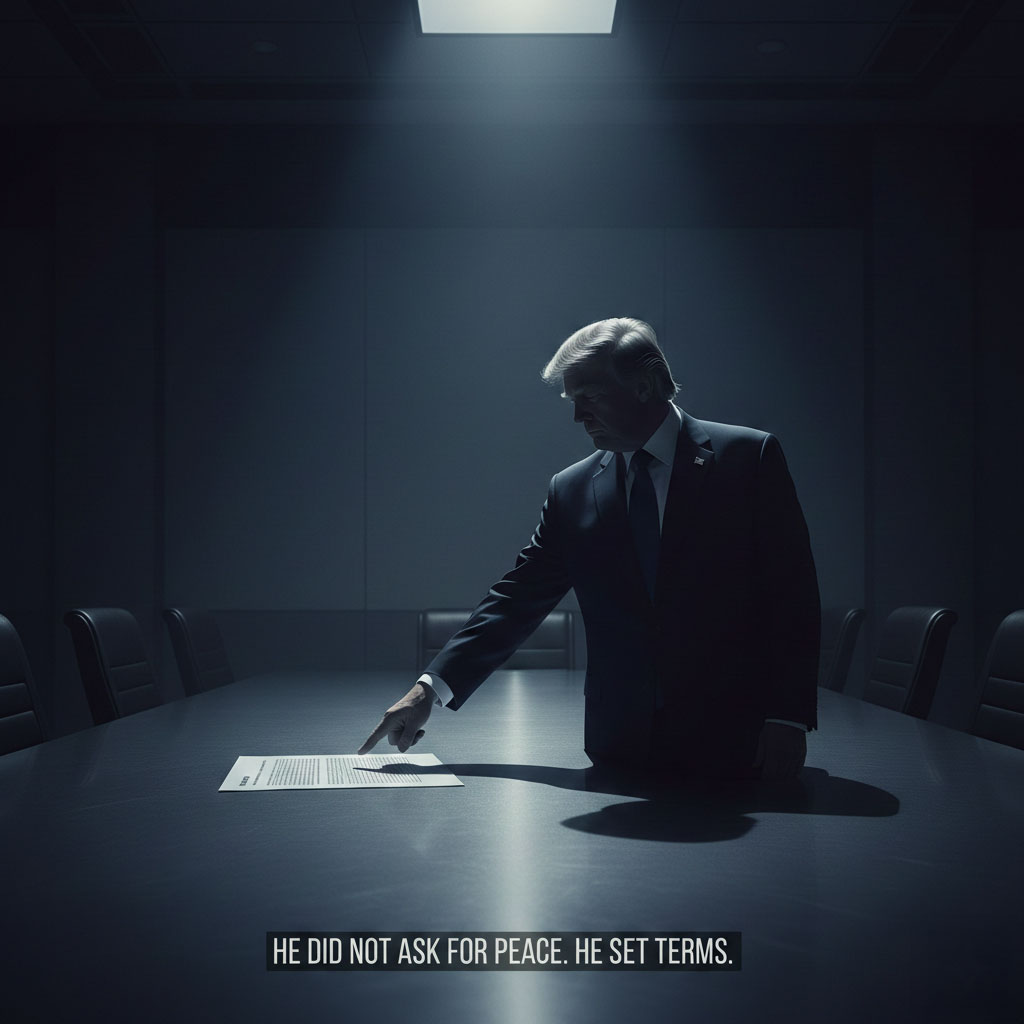
Donald Trump did not ask for peace.
He set terms.
Extreme cold.
One week.
Kyiv.
This was not a ceasefire.
It was the formation of a deal.
In January 2026, Trump made a direct request to Vladimir Putin.
Do not strike Kyiv during the extreme cold.
The Kremlin confirmed the request and fixed a deadline: February 1.
This was not a vague pause.
It was a contract with clearly defined parameters.
Kyiv was included.
Kharkiv was not.
Weather became the condition.
Time became the currency.
What emerged was not diplomacy, but a time-limited suspension of violence priced by circumstance.
Immediately after Kyiv was spared, Russian strikes shifted elsewhere.
Kharkiv was hit.
So were industrial facilities, including those linked to U.S. interests.
This was not a violation.
It was precise compliance.
The contract did not promise peace.
It promised exclusion.
Russia did not abandon its capacity to destroy.
It demonstrated something more valuable:
the ability to modulate destruction selectively.
War was no longer an all-or-nothing act.
It became adjustable.
Volodymyr Zelenskyy described the arrangement as
“not an official agreement, but an opportunity.”
That phrasing revealed Ukraine’s true position.
It did not negotiate the terms.
It did not sign the contract.
It did not set the duration.
Ukraine received outcomes, not authority.
Sovereignty did not disappear.
It was temporarily subordinated to a transaction negotiated elsewhere.
This episode stripped war of its uncertainty.
The rules were explicit:
This is not the end of war.
It is war as a subscription service.
Compliance buys temporary safety.
Non-compliance restores full exposure.
There is no resolution—only renewal cycles.
The language surrounding the negotiations mattered.
Trump’s envoy spoke not of treaties,
but of “prosperity agreements.”
This was not accidental phrasing.
The conflict was no longer framed as a moral or legal dilemma.
It was framed as a managed asset, subject to optimization and timing.
War moved from conference rooms to balance sheets.
While decisions were made elsewhere, Europe financed the process.
Aid flowed.
Support continued.
But signatures were absent.
The United States and Russia negotiated directly.
Europe absorbed the cost without control.
Security was no longer collectively designed.
It was allocated through bilateral transactions.
This structure does not explain a single war.
It defines a system in which those excluded from transactions inherit the cost.
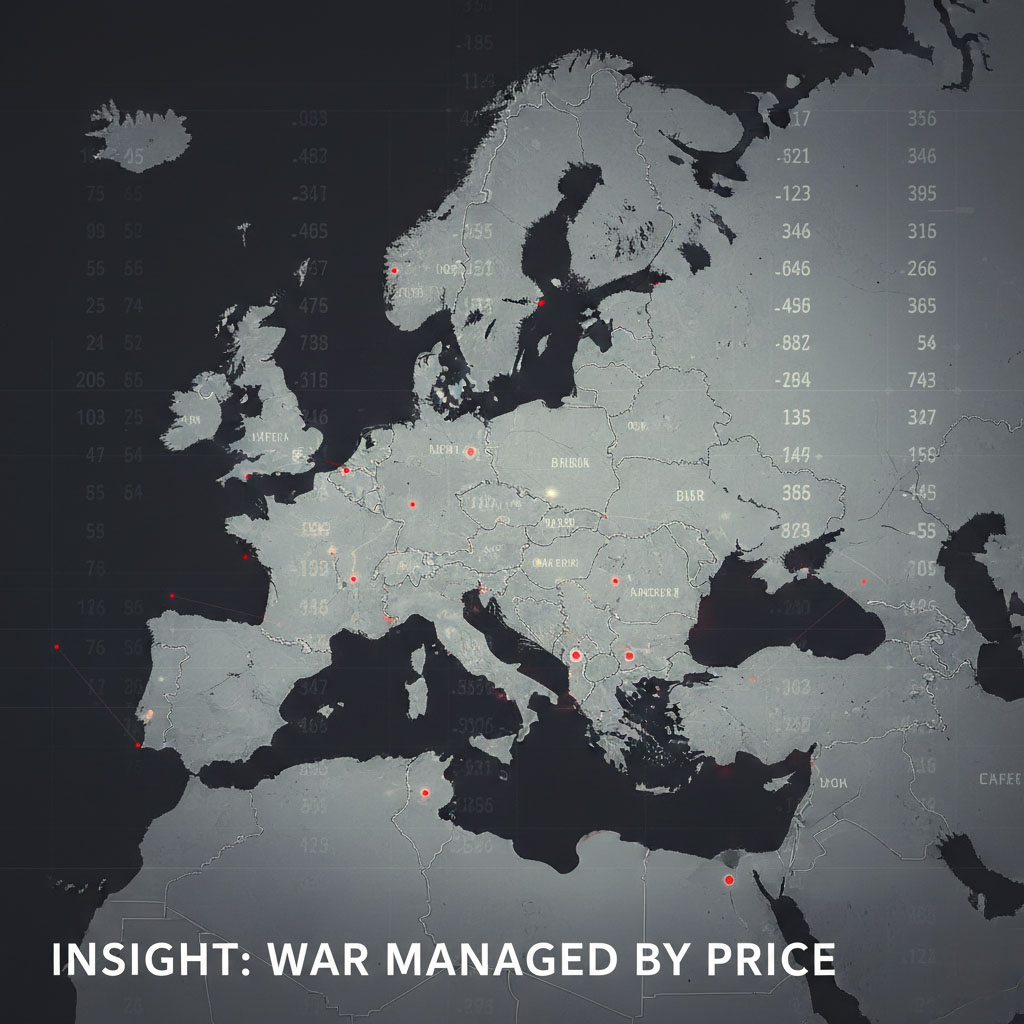
The war did not end.
It simply stopped being explained by values—and began to be managed by conditions and prices.
The war did not end; it was restructured into a conditional contract defined by time, weather, and scope.
Peace was not negotiated—violence was selectively suspended, priced, and geographically limited.
Those excluded from the transaction paid the cost, while control remained with those at the table.
This article is based on publicly available reporting from international news outlets. Analysis and
interpretation were produced by Infowider’s editorial framework. No claims have been added beyond
what is supported by the cited sources.


