Physical Address
304 North Cardinal St.
Dorchester Center, MA 02124
Physical Address
304 North Cardinal St.
Dorchester Center, MA 02124
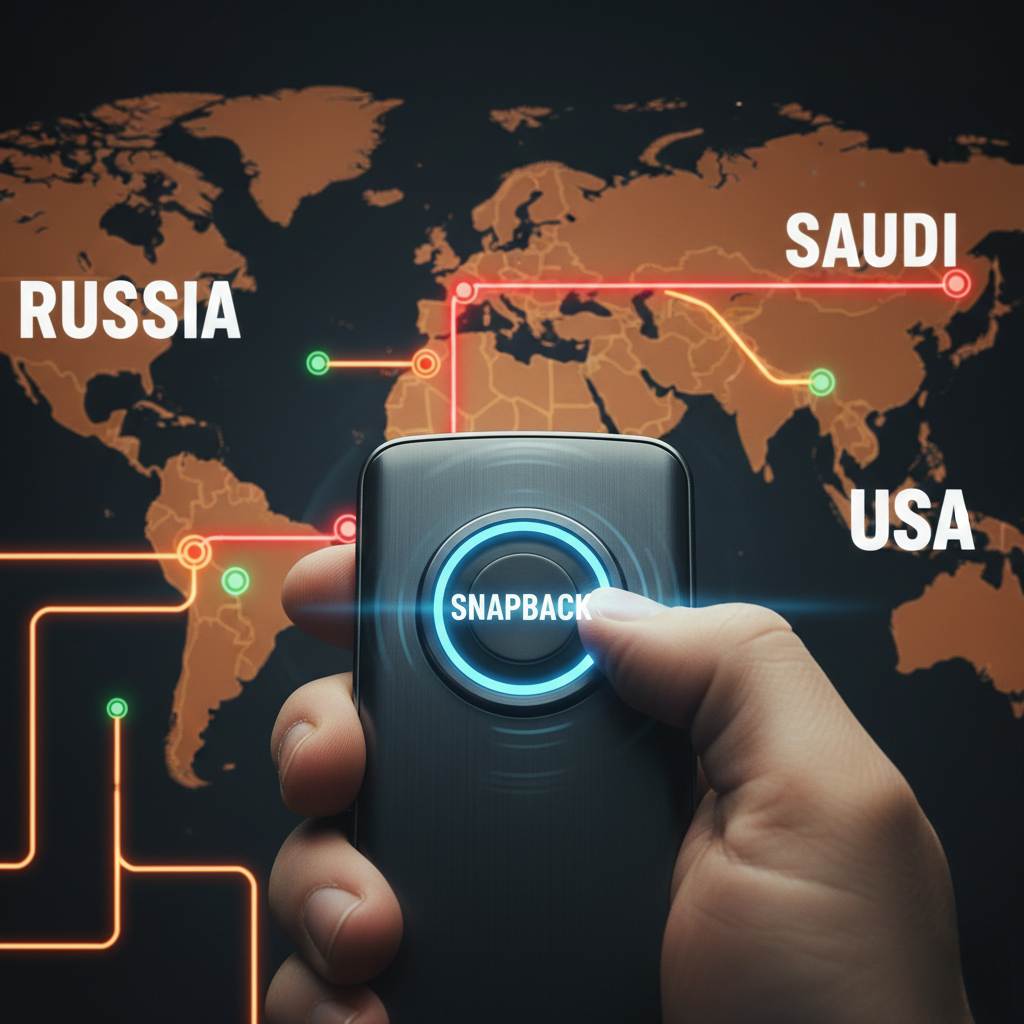
In February, India’s crude supply map flipped. Russia slid; Saudi Arabia climbed back. This shift doesn’t end with “Saudi sold cheaper.” The market reacted less to the barrel price and more to a new rule: which crude now carries a penalty.
Russian barrels have acted as India’s shock absorber against energy inflation for two years. Losing that buffer is not “diversification.” It signals something harsher: policy risk has overridden commercial choice. What looks like a trading story is the shadow of a rewritten rulebook.
In this episode, tariffs aren’t a price tag. They’re a remote control. The point is not that tariffs can fall—but that they can be raised again on demand.
The decisive moment is not the cut itself, but the attachment of a device: “return to Russian crude, and the penalty returns immediately.” Once that device exists, crude buying stops being a game of choosing the cheapest option and becomes a game of passing the safest classification.
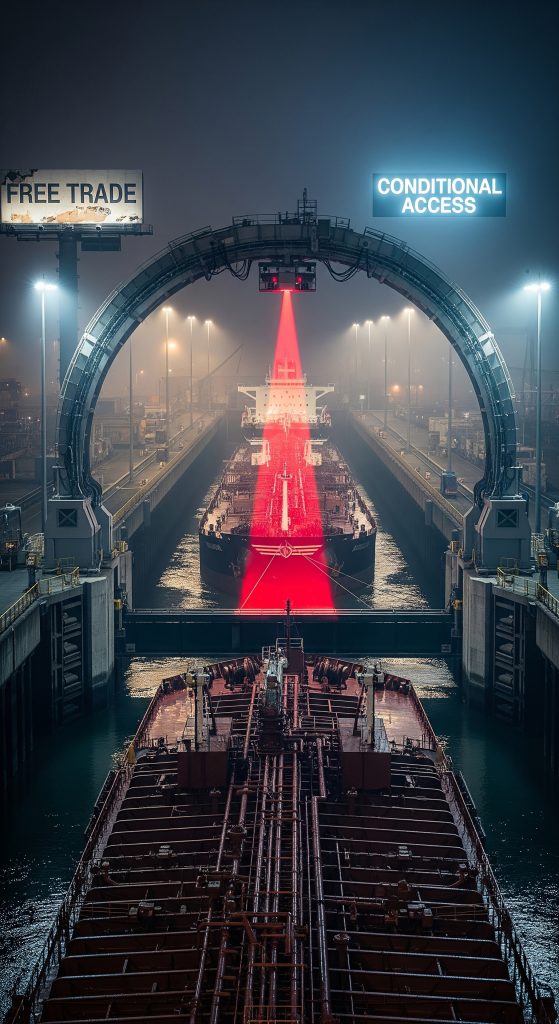
Free trade fades; conditional permission moves in. Markets price the risk before they read the fine print. That’s why tanker routes change first.
Reducing Russian orders can look like rational procurement. But once a snapback button is installed, the meaning changes.
Even if Russian crude remains cheaper, the moment a shipment is labeled “Russia-linked,” the downside can dwarf the savings. Refiners stop optimizing for price and start optimizing for classification risk.
From that point on, supply-chain rebalancing isn’t “commercial choice.” It’s rule evasion. The trigger sentence outweighs the sanctions sentence.
Cutting Russia is not the finish line. The real objective is to reorder purchase direction.
A tariff reduction looks like a gift, but functions like payment terms: “If you want access to our market, rewrite your energy ledger.” This is not morality—it’s settlement.
Crude is the biggest and fastest lever. When crude moves, logistics moves. When logistics moves, industrial cost moves. That’s why it gets targeted first.
Even when most buyers pull back from Russia, exceptions appear. But exceptions rarely prove independence. They typically emerge as a “leftover corridor” created by ownership structure entangled with sanctions rules.
This corridor survives not because options are wide, but because options are narrow. And even its survival becomes subject to “explanation” and “approval.”
The center of gravity shifts from “how much you buy” to who grants permission.
Avoiding tariffs doesn’t end the bill. Costs don’t vanish; they change form.
As the Russian buffer shrinks, the gap is filled by higher-cost procurement, longer supply chains, higher insurance and premiums, and greater exposure to volatile spot markets. The spread passes through refining margins into fuel prices; fuel prices into logistics; logistics into manufacturing costs and everyday essentials.
When policy risk redirects supply routes, the invoice lands at home. This is the price of time bought through diplomacy.

Energy security is no longer a question of volumes—it has become a question of whose approval is required before the valve can be opened.
Confidence: MED
Falsifier: If “track/monitor/snapback” mechanisms are not actually implemented in practice, or if the supply shift can be fully explained by commercial variables (OSP, freight, refinery optimization) alone, this thesis weakens.
Trump’s tariff “snapback” turns India’s crude sourcing from a price decision into a compliance/approval decision.
As the penalty-risk rises, refiners pivot away from Russian barrels and the supply map shifts back toward Saudi/U.S. flows.
The avoided tariff cost reappears domestically as higher energy/logistics inputs—energy security becomes “who controls the valve,” not “who has the barrels.
This article is based on publicly available reporting from international news outlets. Analysis and
interpretation were produced by Infowider’s editorial framework. No claims have been added beyond
what is supported by the cited sources.


