Physical Address
304 North Cardinal St.
Dorchester Center, MA 02124
Physical Address
304 North Cardinal St.
Dorchester Center, MA 02124
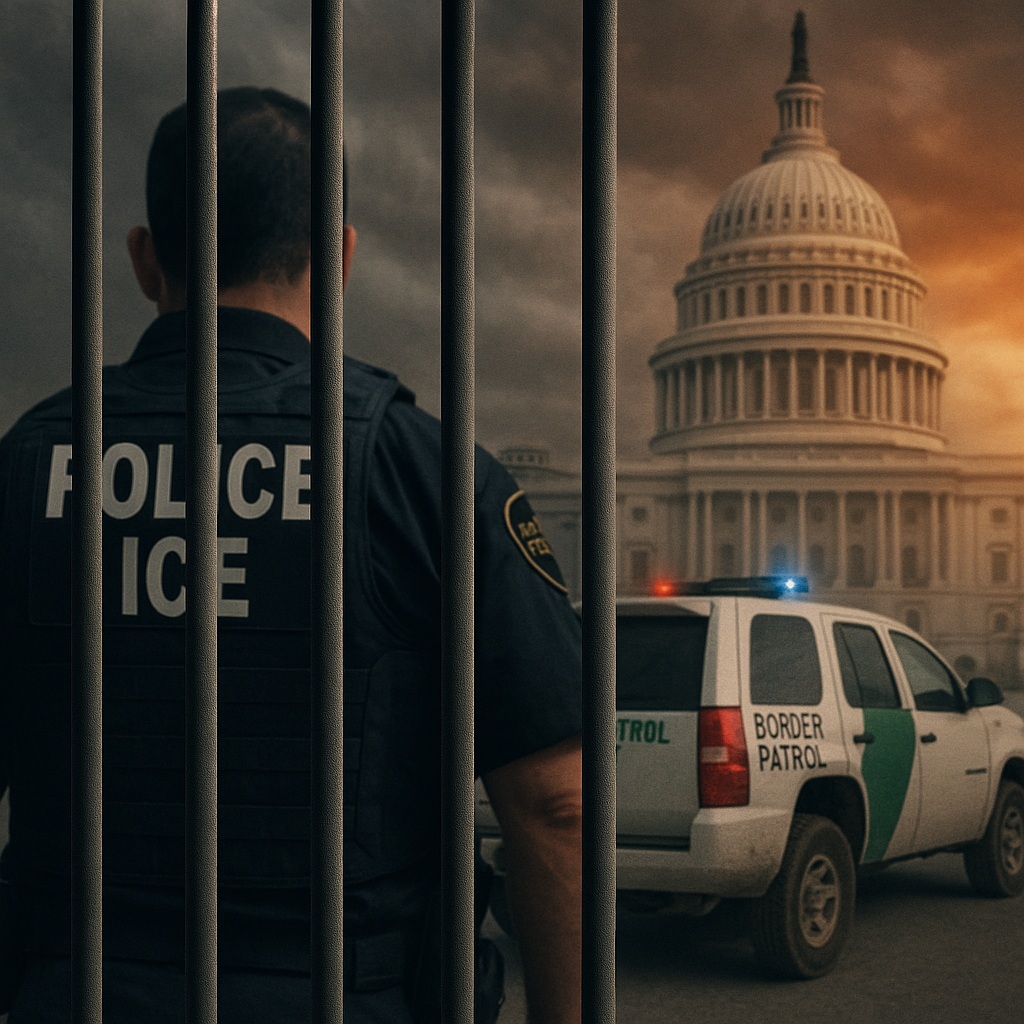
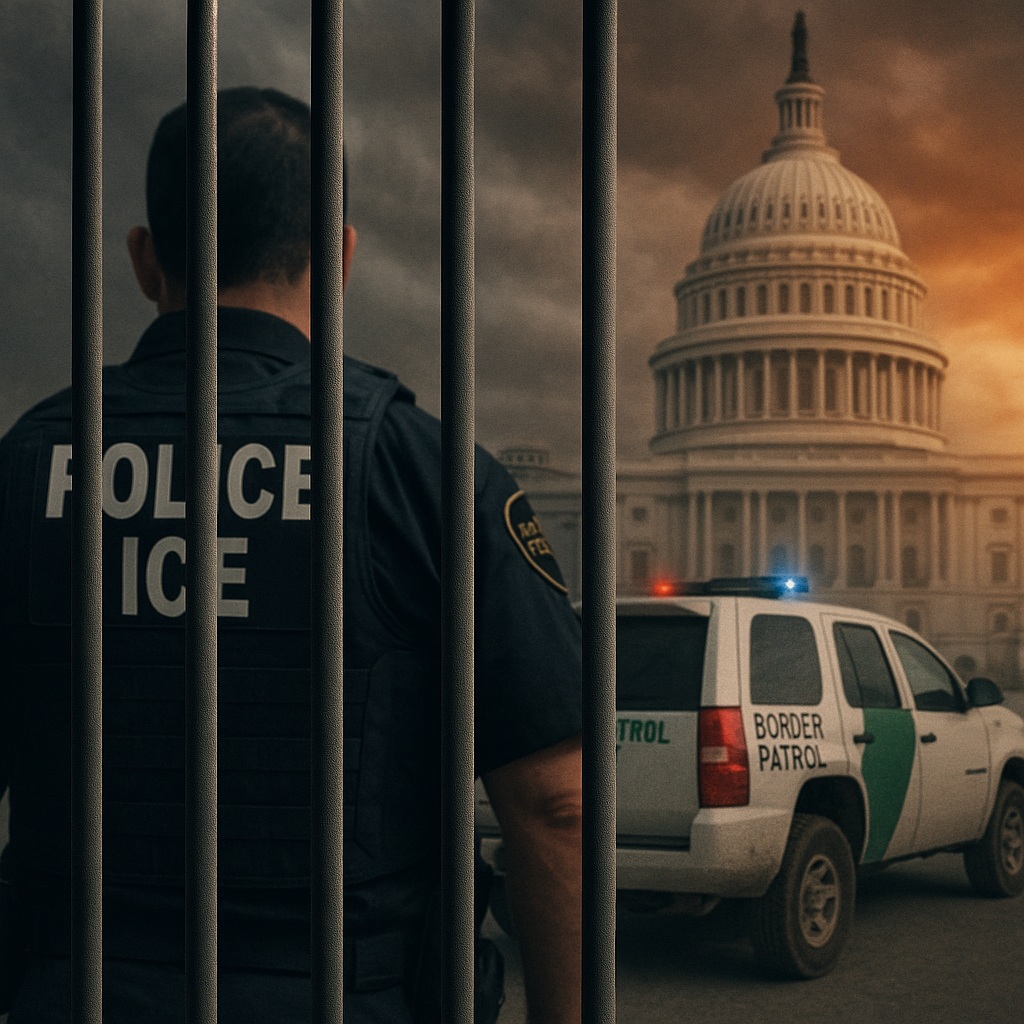
A government frozen — but enforcement didn’t flinch.
Between October and November 2025, the U.S. government hit a wall. Budget talks collapsed, agencies idled, and paperwork stacked up like sediment. Tax refunds stalled. Welfare slowed. Visas waited in line with everyone else.
And in the middle of that stillness, one machine didn’t stop — it sped up: ICE.
Houston alone logged 3,593–3,600 arrests.
Nationwide? 54,000+ arrests, 56,000+ deportations, 65,000+ in custody — the highest since the ’80s.
And the number that doesn’t fit the headline: 21,000 had no criminal record at all.
One-line takeaway:
The shutdown didn’t weaken federal power — it revealed what the U.S. refuses to pause.
Shutdown means paralysis. Doors close, phones go unanswered, benefits go missing in the mail. But ICE? Raids expanded. Detentions scaled. Deportations kept moving.
If this was purely about catching dangerous offenders, why were nearly two-fifths non-criminal?
At some point the story stops being what stopped and becomes what was protected.
| Hypothesis | Interpretation |
|---|---|
| Anti-immigration priority endured | The machine kept running even without normal funding flow. |
| Wage-floor protection logic | Reduce cheap labor to defend pay levels (theory vs. actual result remains unclear). |
| Border enforcement is shutdown-exempt | Welfare and tax programs can pause — sovereignty does not. |
Shutdown didn’t obscure the hierarchy — it highlighted it.
| Axis | Core Insight |
|---|---|
| Legal | Funding may freeze, but sovereign enforcement doesn’t. |
| Political | Message to the base: “Even if government stops, the border won’t.” |
| Economic | Removing migrant labor may lift wages — but there’s a scale/effect mismatch. |
| Social | 21,000 non-criminal detainees complicate the “worst of the worst” narrative. Schools, families, and neighborhoods absorb the shock. |
| Identity | ICE wasn’t a leftover function — it was the priority. |
ICE did not survive the shutdown by accident. Someone kept their hand on the switch.
The shutdown wasn’t chaos — it was a scan. Less about what froze, more about what refused to. Congress stalled. Social programs paused. ICE and CBP kept their boots on the pavement.
And beneath that, the costs that don’t show up in arrest sheets:
Shutdown didn’t break the system — it exposed the bones. And in that image, one organ glowed brighter than everything else:
ICE. Full power. No apology.
Not noise in the data — the data.
Data Source Notice
This article is based on openly available news content collected through the GDELT Global Knowledge Graph (GKG). Tone metrics, metadata, and semantic clusters were processed using Infowider’s proprietary analysis pipeline. No information beyond what is contained in the original articles and GDELT data has been added.


