Physical Address
304 North Cardinal St.
Dorchester Center, MA 02124
Physical Address
304 North Cardinal St.
Dorchester Center, MA 02124
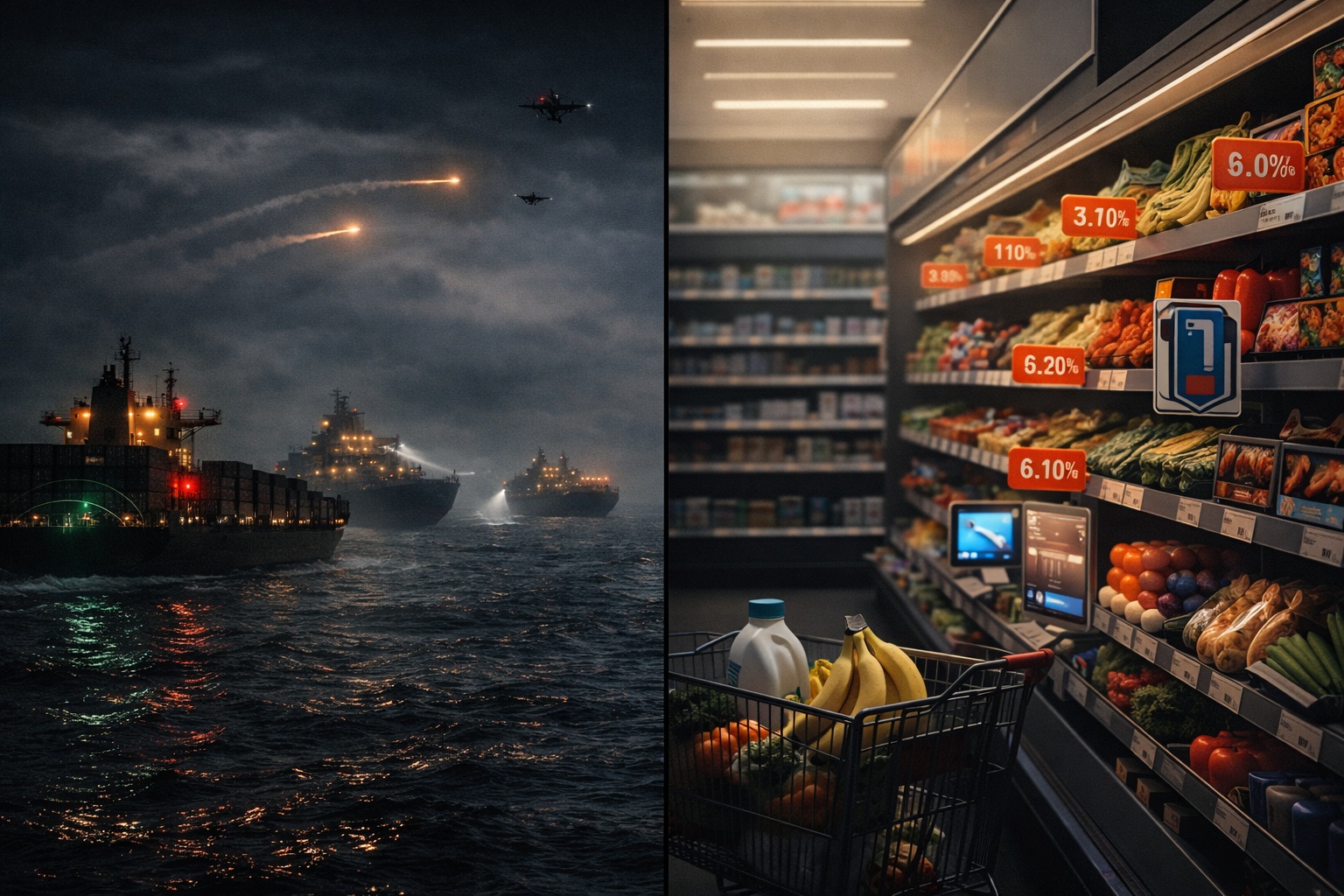
Right now, something is quietly changing in global trade.
Fuel is more expensive.
Shipping insurance is rising.
Delivery times are getting longer.
And prices — from electronics to food — are starting to creep up.
Most people blame inflation.
But inflation is just the symptom.
The cause sits in a narrow strip of water between Africa and the Middle East: the Red Sea.
The Red Sea is not just a body of water. It is a global artery.
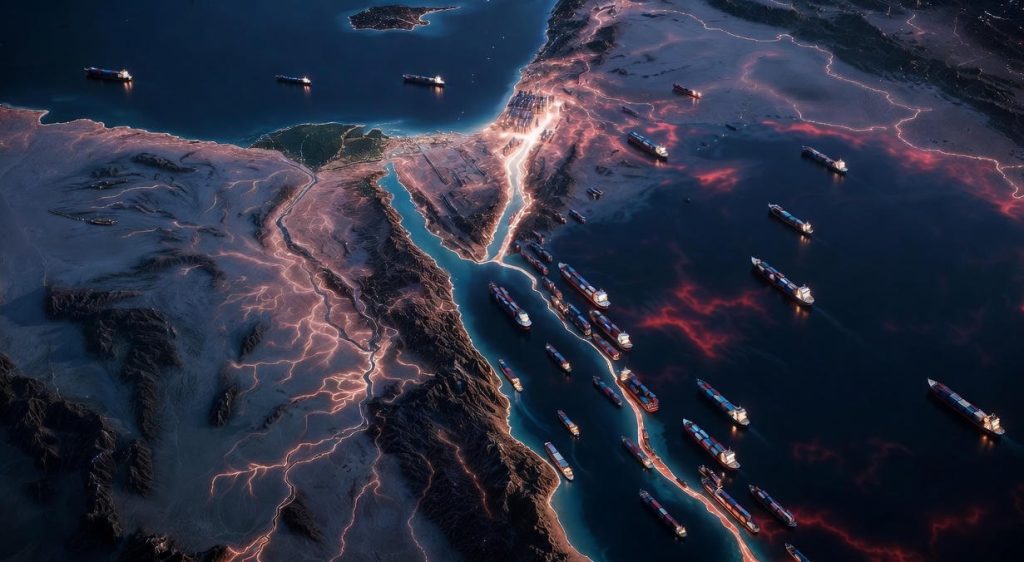
Nearly 30% of the world’s container traffic passes through the Red Sea and the Suez Canal.
Oil, gas, fertilizer, food, consumer goods — they all move through this corridor.
When this route is stable, the global economy breathes.
When it is disrupted, costs rise everywhere.
Over the past year, the Red Sea has become increasingly dangerous due to attacks by Yemen’s Houthi forces. Missiles and drones have forced shipping companies to reroute vessels around Africa, adding weeks of travel time and millions of dollars in fuel and insurance costs.
So far, markets have treated this as a manageable risk.
But that is about to change.
Israel is now exploring military access to Somaliland, a breakaway region on the coast of Somalia — directly across the Red Sea from Yemen.
This is not about African diplomacy.
This is about war logistics.
From Somaliland’s ports and airfields, Israel could monitor and potentially strike Houthi positions that threaten Red Sea shipping.
For Israel, this is about survival. Houthi attacks are not just symbolic — they directly threaten Israel’s trade and supply chains.
But by moving closer to the Red Sea battlefield, Israel is also doing something else:
It is turning a volatile shipping lane into an active military front.
Shipping companies and insurers don’t wait for explosions.
They price risk.
The moment a major military power establishes a permanent presence near a conflict zone, insurers reclassify that area as a war theater.
When that happens:
This is how a military decision in Somaliland becomes a higher grocery bill in Berlin, a more expensive smartphone in New York, and higher fuel costs in Tokyo.
The U.S. has tried to keep the Red Sea unstable but manageable — intercepting attacks, escorting ships, but avoiding escalation.
Israel’s move risks breaking that balance.
A controlled risk keeps trade moving.
A permanent military front makes risk structural.
That difference is measured in trillions of dollars.
This is not a Middle East story. It is a pricing story.
The Red Sea is not far away.
It is embedded in every supply chain.
What is happening now is not just another conflict — it is the conversion of geopolitical tension into everyday cost.
When shipping lanes become battlefields, inflation stops being temporary — and becomes permanent.
This article is based on publicly available news content collected through the GDELT Global Knowledge Graph (GKG).
Tone metrics, metadata, and semantic clusters were processed using Infowider’s internal analysis pipeline.
No information beyond what is contained in the original articles has been added.


