Physical Address
304 North Cardinal St.
Dorchester Center, MA 02124
Physical Address
304 North Cardinal St.
Dorchester Center, MA 02124
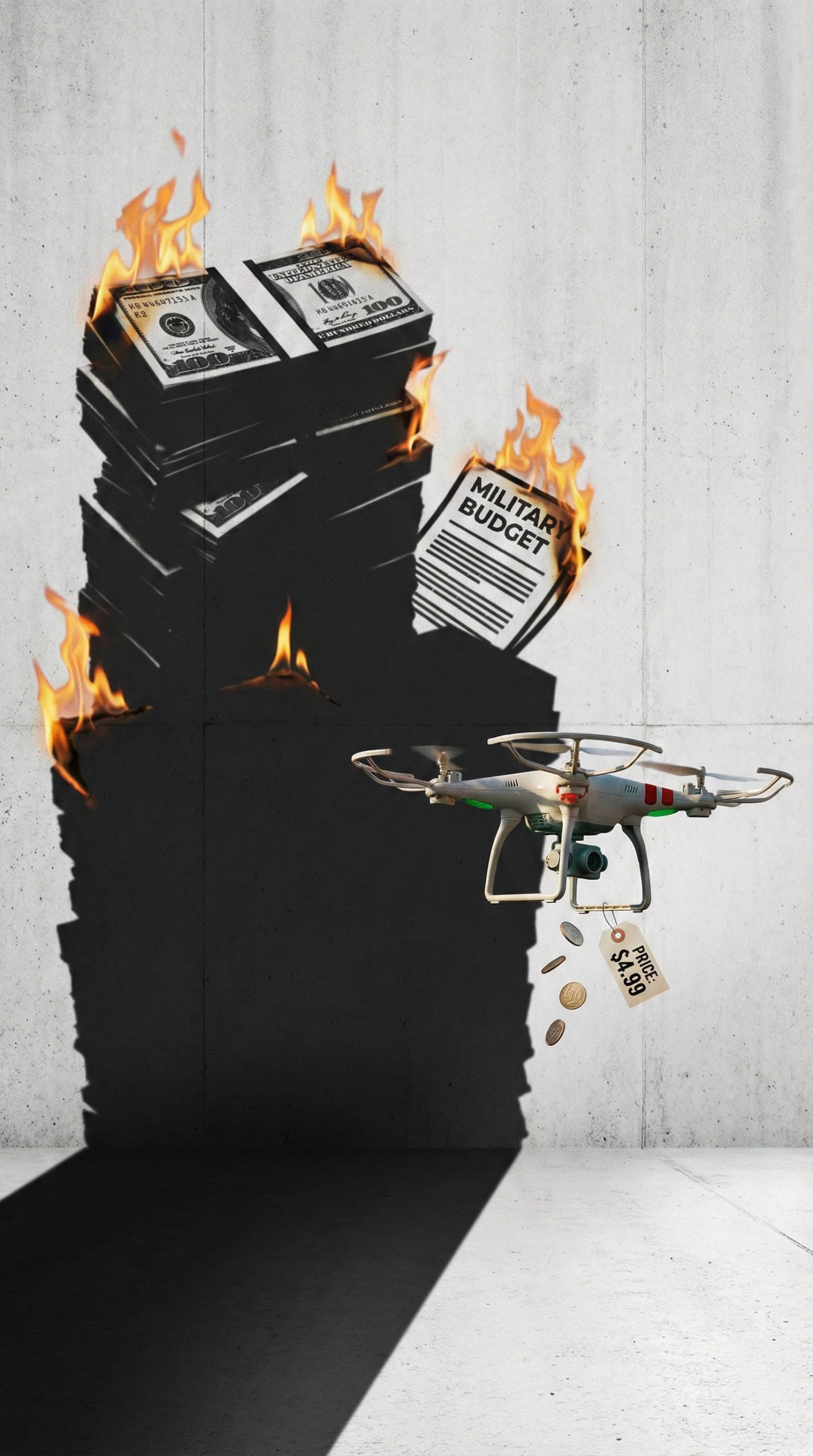
Missiles no longer fly first.
Drones do.
To penetrate air-defense systems worth tens of millions of dollars,
a flying object that costs a few hundred dollars is now enough.
War did not become smarter.
It became cheaper.
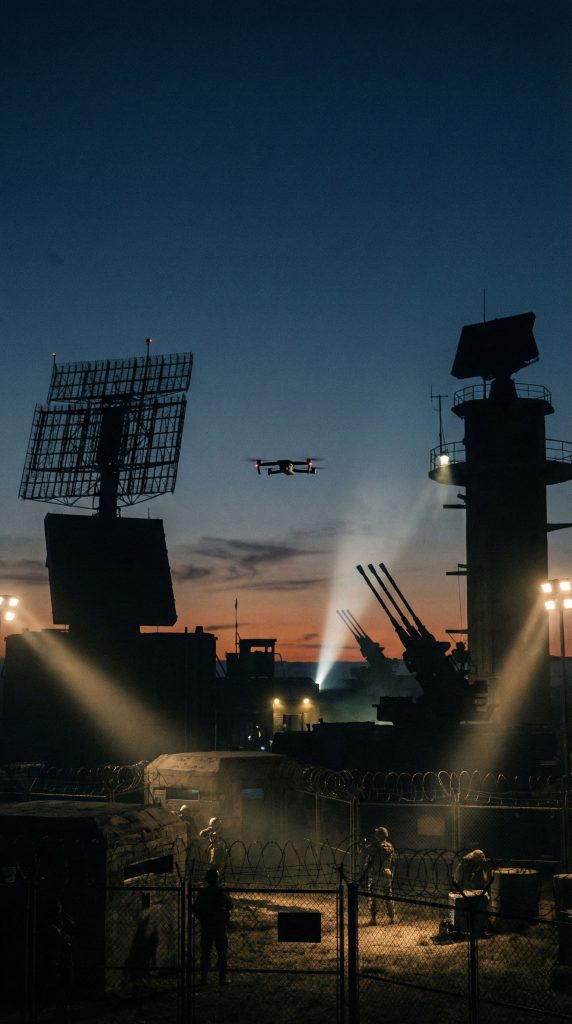
Along the India–Pakistan border, unidentified drones repeatedly cross sensitive zones.
India responds by activating radar networks, counter-UAS systems, and air-defense units—
each response consuming resources that far exceed the cost of the intrusion.
This is not a tactical mistake.
It is cost transfer by design.
The attacker spends almost nothing.
The defender burns budgets.
The barrier to conflict has collapsed.
Border tension is no longer an event.
It has become a subscription.
A handful of drones can test reaction time, defensive gaps, and command latency in real time.
No missiles.
No declarations.
No escalation threshold crossed.
Just probing.
States understand this dynamic.
Tension is allowed to persist because tension is useful.
Fear creates justification.
Justification unlocks funding.
Security is no longer something achieved once.
It is something continuously billed.
In this system, drones are not primarily weapons.
They are financial triggers.
Technology advanced.
Death did not.
In Pakistan’s Khyber Pakhtunkhwa region, seven police officers were killed by an improvised explosive device.
No AI.
No smart targeting.
Just cheap explosives and predictable routes.
While drones dominate headlines,
the savings generated by “cheap war” are paid elsewhere.
For the state, casualties become statistics.
For families, they become permanent loss.
War may be automated at the top,
but it remains brutally analog at the bottom.
Senior military officials now admit what was once classified:
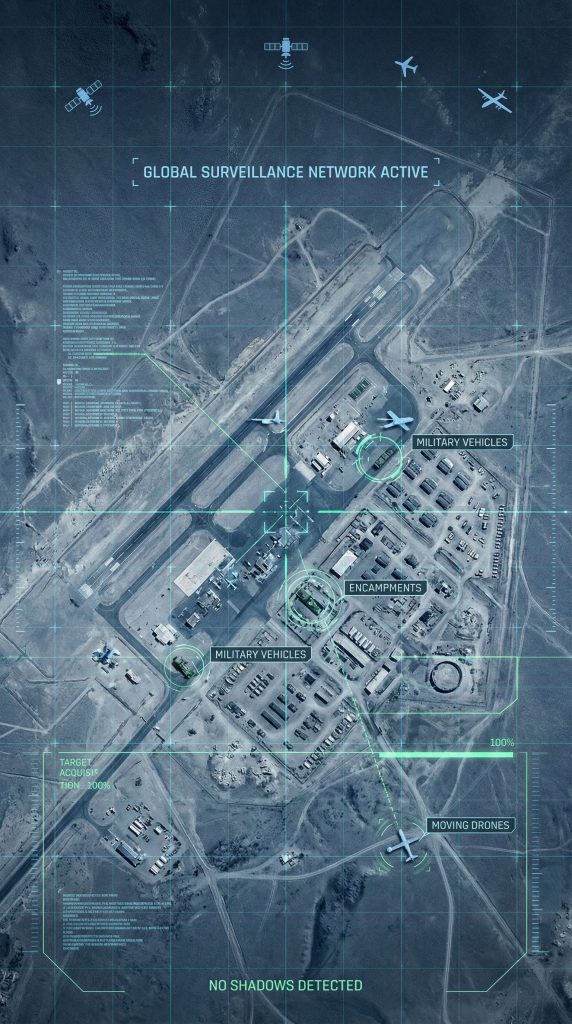
enemy forces can track jets, units, and movements through satellites and commercial intelligence.
This is not dominance.
It is mutual exposure.
Both sides see everything.
Neither side can act freely.
The result is not peace—
it is a panopticon border, where full visibility suppresses escalation
and multiplies paranoia.
No hiding.
No trust.
Only continuous monitoring.
And continuous spending.
While borders simmer quietly,
defense contractors grow loudly.
In the United Kingdom, activists staged a 73-day hunger strike against a drone manufacturer supplying modern conflicts.
The response was not dialogue,
but prosecution under counter-terror laws.
When war becomes cheaper,
it also becomes easier to outsource.
Governments manage risk.
Corporations monetize it.
Citizens absorb the cost—financially, psychologically, and physically.
It became cheaper.
Drones lowered the entry price.
States normalized permanent tension.
The savings were extracted elsewhere—
from soldiers, civilians, and taxpayers.
You are not watching distant conflicts.
You are paying the subscription fee.
Drones made war cheaper, not safer.
Costs shifted from attackers to soldiers, civilians, and taxpayers.
What looks like distant conflict is a subscription you keep paying.
This article is based on publicly available reporting from international news outlets. Analysis and interpretation were produced by Infowider’s editorial framework. No claims have been added beyond what is supported by the cited sources.


