Physical Address
304 North Cardinal St.
Dorchester Center, MA 02124
Physical Address
304 North Cardinal St.
Dorchester Center, MA 02124
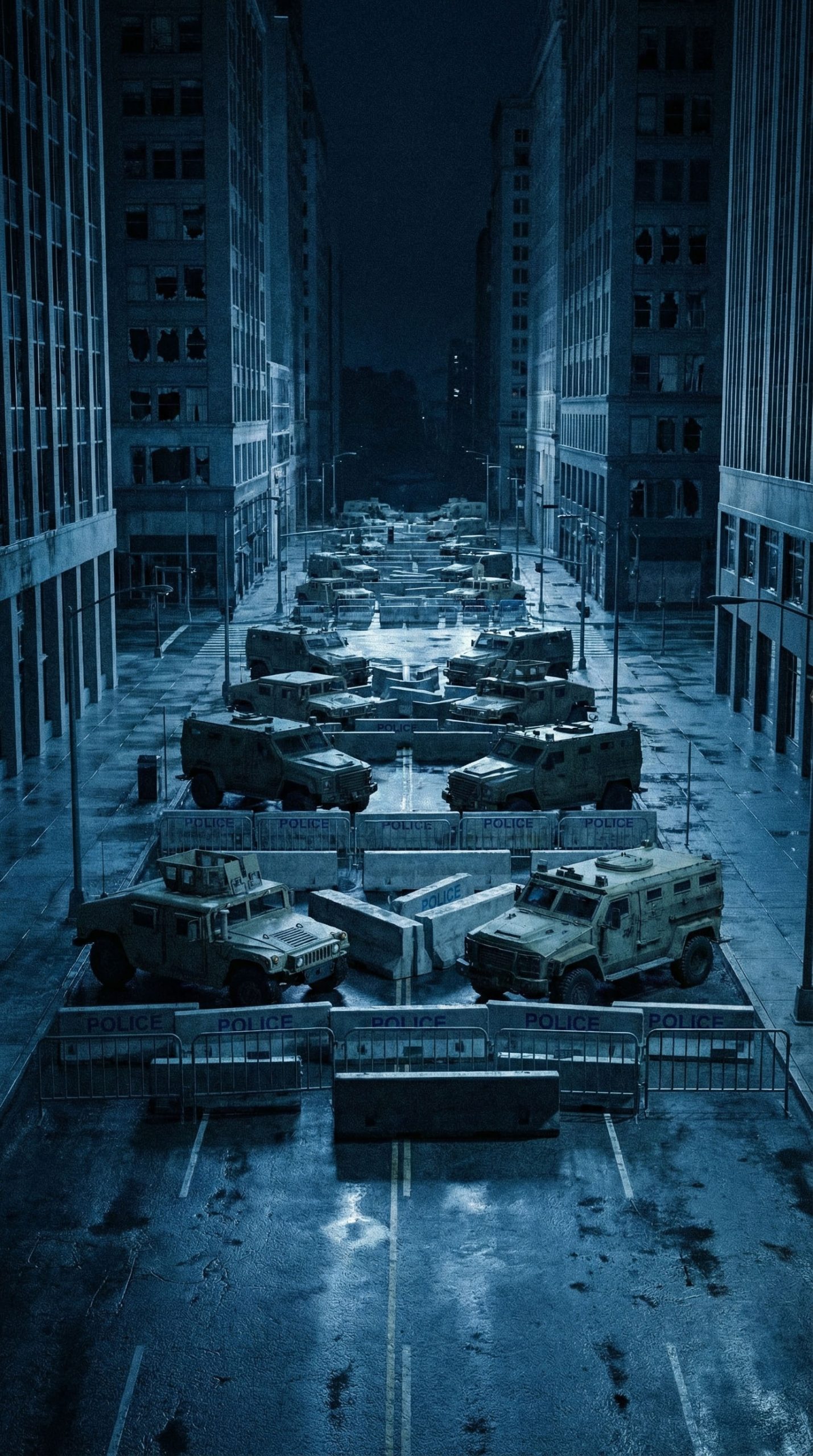
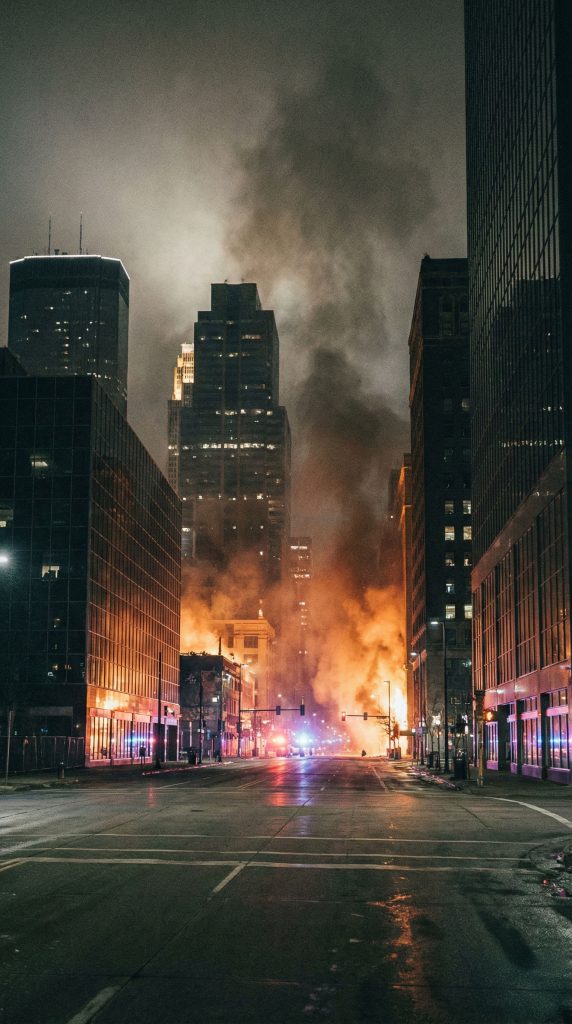
The fires in Minneapolis are not an expression of public anger.
They are the moment when an administrative failure the state failed to resolve in time returned as a bill payable in street violence.
An ICE agent was attacked with shovels and brooms.
A trigger was pulled.
The suspects were migrants who entered the country under the catch-and-release system after being detained at the border.
This was not an accidental clash.
It was a systemic contradiction: a problem that failed to be filtered at the administrative layer of the border was instead settled on-site, with an individual agent’s life as collateral.
Costs delayed by administration do not disappear.
They simply change location.
Amid the chaos, a FBI vehicle was breached.
Body armor and rifles were taken.
While slogans filled the streets, criminal networks acted.
The moment federal agents were surrounded, forced to abandon assets, and retreat was symbolic.
In that moment, state authority was no longer perceived as a shield, but as lootable material.
A vacuum in enforcement sends an immediate —All Clear— signal to crime.
Deportation is a comparatively low-cost administrative process.
But when politicians blocked that process under the language of “protection,” the cost was transferred—directly—into public security.
When local police could no longer absorb the burden, the state escalated.
Placing 1,500 troops from Alaska’s 11th Airborne Division on standby was not a political gesture.
It was an automatic system response:
administrative failure pulling national defense resources into the equation.
When policy stalls, the state fills the gap with the most expensive form of force available.
This is not choice. It is reflex.
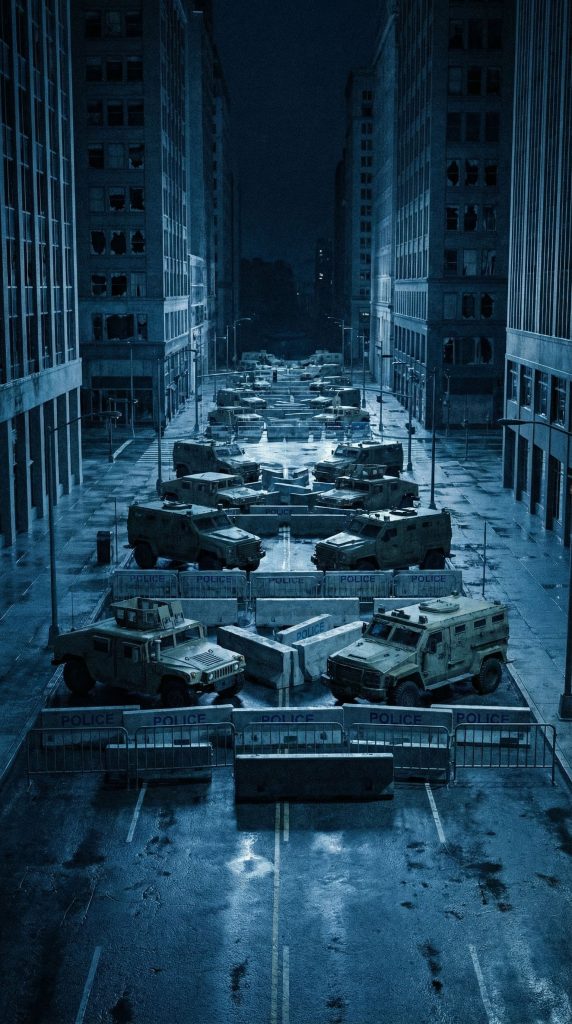
Groups operating under banners like “ICE Watch” move beyond observation into de-arrest tactics, actively obstructing law enforcement.
Here, citizens are no longer subjects of democracy.
They are consumed as friction coefficients—variables that slow state function and inflate cost.
Facts blur. Tribal narratives take over.
The language of protection expands until even violent criminal suspects are absorbed into its shield.
What matters is no longer right or wrong.
What matters is whether the collision continues.
The Minneapolis riots are not a human-rights struggle.
They are the accounting settlement of governance failure—
an administrative problem left unresolved at the border,
paid for in rifles and troops on the street.
The Minneapolis riots were not public protest, but deferred administrative failure resurfacing as street violence.
When border policy stalled, enforcement costs migrated inward—turning authority into loot and citizens into friction.
The 11th Airborne on standby was not politics, but an automatic accounting reflex of a failed system.
This article is based on publicly available reporting from international news outlets. Analysis and interpretation were produced by Infowider’s editorial framework. No claims have been added beyond what is supported by the cited sources.


